
Pests
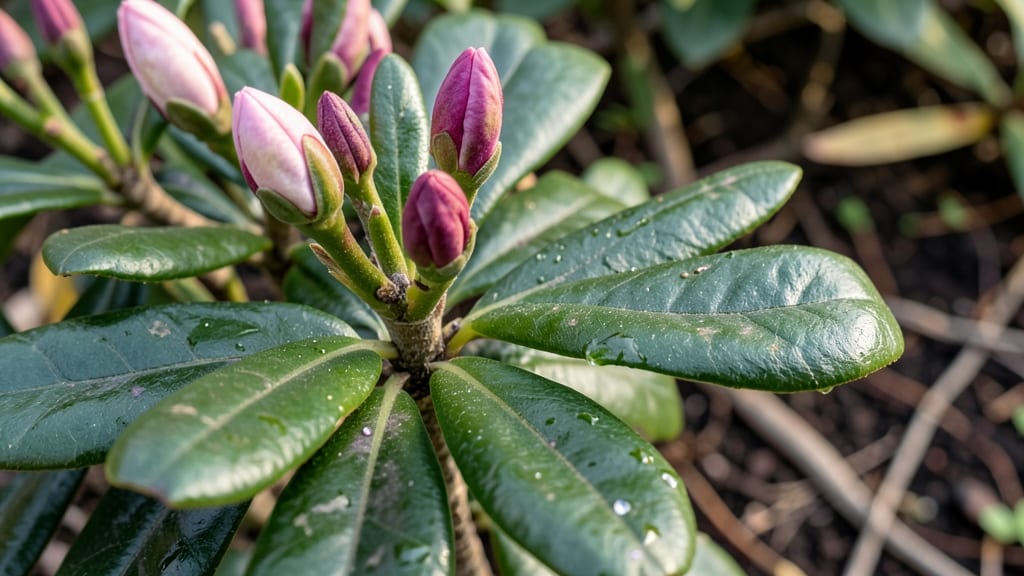
Deer-resistant rhododendrons save your privacy screen from becoming a buffet. 🌿 I’ve lost count of how many times I’ve woken up to chewed leaves and skeletal bushes—until I discovered these tough varieties that deer simply ignore. The secret lies in strong fragrance and fuzzy foliage.
Varieties like ‘Nova Zembla’ and ‘PJM’ have thick leaves and pungent scents that deer find unpleasant. Planting them in clusters creates a natural barrier that even determined browsers avoid. You’ll end up with a lush, fragrant hedge that thrives year after year.
The blooms arrive reliably in spring, and the glossy leaves stay intact through deer season. No more sad, nibbled plants—just vibrant growth. For extra protection, combine these varieties with natural repellents and strategic placement near property edges. Here’s how to make it work!
📚 In This Guide
- What you need
- Instructions
- Tips and common mistakes
- Wrapping up and next steps
What you need
- ● Deer-resistant rhododendron plants: 3–5 Rhododendron varieties (e.g., Rhododendron 'PJM', 'Nova Zembla', or 'Catawbiense Grandiflorum')—choose 3–5 gallon pots for mature size.
- ● Check local nurseries for deer-resistant tags or varieties with leatherleaf or evergreen traits.
- ● Soil amendments: 3–5 bags peat moss or pine bark fines (per 10 plants).
- ● 1–2 bags slow-release fertilizer (10-10-10 or rhododendron-specific blend).
- ● 1–2 lbs. sulfur (to lower soil pH to 4.5–6.0).
- ● Mulch: 2–3 cubic yards pine straw or wood chips (acidic, 3–4 inches deep).
- ○ Deer deterrents (optional but recommended):strong> 1–2 deer repellent sprays (e.g., Liquid Fence or Deer Out).
- ● 1–2 rolls deer-resistant plant netting (for young saplings).
- ● Digging & planting: 1 garden shovel (for amending soil).
- ● 1 trowel (for delicate root handling).
- ● 1 wheelbarrow (for hauling soil/mulch).
- ● Safety & prep: 1 pair gardening gloves (waterproof).
- ● 1 pruners (sterilized, for trimming).
- ● 1 soil pH test kit (to verify acidity).
- ○ Optional upgrades: 1 hose with spray nozzle (for post-planting watering).
- ● 1 stake & ties (for windy areas).
How to select and plant deer-resistant rhododendron varieties
Here's my go-to approach for choosing hardy, fragrant rhododendrons that deer avoid—and how to plant them for maximum impact.
🌿 Step 1: Choose the Right Deer-Resistant Varieties
Not all rhododendrons repel deer, but certain varieties have strong fragrances or fuzzy foliage that deer dislike. My top picks include 'PJM' (compact, purple blooms), 'Catawbiense' (dark leaves, glossy finish), and 'Nova Zembla' (bright pink flowers). These thrive in zones 4-8 and grow 6-12 feet tall, making them perfect for privacy screens.
Look for plants labeled "deer-resistant" at nurseries. I always check the leaf texture—hairy or leathery leaves are less appealing to deer. Avoid tender varieties like 'Elizabeth' or 'Roseum Elegans'—deer love those. Plant at least 4 bushes for a full privacy screen, spacing them 4-6 feet apart.
☀️ Step 2: Pick the Perfect Planting Location
Rhododendrons need morning sun and afternoon shade—too much direct sun scorches their leaves, while too little light means weak growth. I plant mine where they get 3-4 hours of sunlight daily, like under tall trees or along north-facing walls. The soil must stay acidic (pH 4.5-6.0)—test your soil first or amend with sulfur or peat moss if needed.
Deer often browse in open areas, so place your bushes near thorny shrubs (like barberry) or strong-scented plants (lavender, rosemary) to create a natural barrier. Dig holes twice as wide as the root ball but no deeper—this encourages root spread. Don’t plant in low spots where water pools, as rhododendrons hate soggy roots.
🪴 Step 3: Plant with Proper Soil and Mulch
Mix the existing soil with 50% peat moss or pine bark fines to keep it acidic and well-draining. I add a handful of osmocote fertilizer (slow-release, acidic formula) to the backfill soil before placing the root ball in the hole. This gives them a nutrient boost right away. Gently firm the soil around the roots, but don’t pack it—roots need air.
Mulch heavily with 3-4 inches of pine needles or wood chips (avoid cedar—it’s too acidic). This mimics their natural forest floor habitat and deters deer by making the area less inviting. Keep mulch 6 inches away from the trunk to prevent rot. Water deeply right after planting—1-2 gallons per bush—to settle the soil and remove air pockets.
💧 Step 4: Water and Protect Newly Planted Bushes
Water deeply every 2-3 days for the first 4 weeks, keeping the soil evenly moist but not soggy. You’ll know it’s right when the top 2 inches feel damp but not wet. After that, water once a week unless it rains, aiming for 1 inch of water per week. Overwatering is the #1 killer of rhododendrons—yellow leaves mean you’re drowning them.
To deter deer, I wrap the lower 3 feet of each bush with hardware cloth (1/4-inch mesh) during the first growing season. Deer can’t chew through it, and it’s invisible once the foliage fills in. After a year, most deer lose interest as the bushes mature. Prune only to remove dead wood—never cut back healthy growth, as rhododendrons flower on old wood.
⏰ Step 5: Maintain for Long-Term Deer Resistance
Fertilize once a year in early spring with an acid-loving plant formula (like 10-10-10 with sulfur). I also spray the foliage with neem oil in early summer—deer dislike the smell, and it keeps pests away. Prune right after blooming to shape the bush, but never cut more than 1/3 of the growth in one season.
Watch for deer browsing signs like chewed leaves or broken stems. If they return, add hot pepper spray (mix 1 tbsp cayenne pepper + 1 quart water + 1 tsp dish soap) and spray lightly on leaves. Reapply every 2 weeks or after rain. With proper care, your rhododendrons will grow into a fragrant, deer-proof privacy screen in 3-5 years.
Tips & tricks for perfect deer-resistant rhododendron planting
These hard-won lessons will help your fragrant rhododendrons thrive—and keep deer from turning your yard into their salad bar.
Variety Selection: When choosing between 'PJM', 'Catawbiense', and 'Nova Zembla', consider your space needs. 'PJM' stays compact (3-6 feet tall) and works beautifully for foundation plantings, while 'Catawbiense' grows taller (8-12 feet) for full privacy screens. I always check for hairy or leathery leaves—these textures deter deer more effectively than smooth foliage.
Sunlight Strategy: The 3-4 hours of morning sun mentioned is critical, but timing matters just as much. Plant on the north or east side of structures to maximize morning light while protecting from afternoon sun. If your yard has limited morning sun, consider 'Nova Zembla'—it tolerates slightly more shade than the other varieties while still maintaining its deer-resistant properties.
Soil Preparation: Don't skip the soil test! Many gardeners assume their soil is acidic enough, but I've seen rhododendrons struggle in soil with pH above 6.0. If your test shows higher pH, amend with elemental sulfur (1/4 pound per 100 square feet) mixed into the top 6 inches of soil. This takes time—re-test in 2-3 months and re-amend if needed. The goal is pH 4.5-6.0 for optimal growth and deer resistance.
Deer Defense: The hardware cloth protection works wonders, but I've found an extra trick that doubles effectiveness. After wrapping the lower 3 feet with hardware cloth, sprinkle crushed red pepper flakes around the base (about 1 teaspoon per plant). Deer absolutely hate the combination of the physical barrier and the spicy scent—it's like a double security system for your bushes.
Pro Tips for Rhododendron Bush Deer Resistant
- These hard-won lessons will help your fragrant rhododendrons thrive—and keep deer from turning your yard into their salad bar.
- Variety Selection: When choosing between 'PJM', 'Catawbiense', and 'Nova Zembla', consider your space needs.
- Sunlight Strategy: The 3-4 hours of morning sun mentioned is critical, but timing matters just as much.
Frequently asked questions
Got questions about deer-resistant rhododendrons?
You’re not alone! Here are answers to the most common concerns—so you can plant with confidence and keep those pesky deer at bay.
Which rhododendron varieties are truly deer-resistant?
While no plant is 100% deer-proof, varieties like Rhododendron 'PJM', 'Catawbiense', and 'Nova Zembla' are highly deer-resistant due to their leathery leaves and strong fragrance. Deer typically avoid these because they’re less palatable and often contain mild toxins. For extra protection, pair them with boxwoods or inkberry hollies—deer tend to skip these combos!
When is the best time to plant deer-resistant rhododendrons?
Plant in early spring or fall (4–6 weeks before frost) for optimal root establishment. Avoid summer heat or winter freezes, which stress young plants. Pro tip: Amend soil with compost and mulch heavily to retain moisture—deer are less likely to browse stressed plants!
Will deer still eat my rhododendrons if they’re hungry?
Yes! In extreme hunger (e.g., deep snow or drought), deer may nibble even "resistant" varieties. To deter them, use repellents (like rotten egg spray), physical barriers (fencing or netting), or plant deer magnets (like aphrodisiac plants such as lilacs or roses) nearby to distract them.
Are there alternatives to rhododendrons for deer-prone areas?
If deer are relentless, try boxwoods, inkberry hollies, burning bushes, or evergreens like arborvitae. For flowering options, azaleas (some varieties) or butterfly bushes can work—just confirm their resistance first! Bonus: Prickly shrubs like barberry (check local regulations) add extra deterrence.
What should I do if deer are already eating my rhododendrons?
Act fast! Spray with a commercial deer repellent (like Liquid Fence) or make a homemade mix of hot sauce + water. For severe damage, wrap young plants in tree guards or install a low fence (3–4 ft tall). Trim back damaged foliage in late winter—new growth will be tougher and less appealing to deer.
Wrapping up and next steps
Choosing a rhododendron bush that’s deer-resistant is a game-changer for gardeners craving both beauty and resilience! 🌿 These hardy, fragrant varieties not only thrive in tough conditions but also deter unwelcome visitors, giving you peace of mind.
Whether you’re planting for privacy, fragrance, or simply stunning blooms, these plants are a low-maintenance powerhouse for any landscape.
Ready to transform your space? Start small—pick a variety that suits your climate and soil, then expand your garden with confidence. Happy planting! 🌸