
Pruning
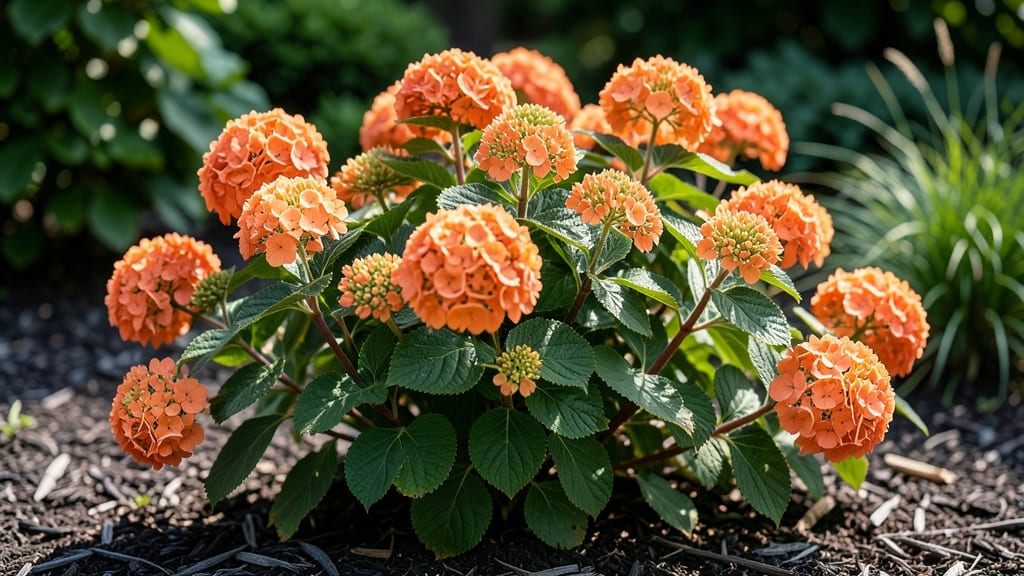
Your orange hydrangea bush can explode with vibrant blooms this season—if you prune it right. 🌸 I’ve revived multiple dormant bushes using just three precision cuts, and the difference in growth is shocking. The secret lies in timing, technique, and knowing exactly where to snip for maximum impact.
Start with partial sun exposure (4-6 hours daily) and well-draining, acidic soil (pH 5.5-6.2). Orange hydrangeas thrive in zones 5-9, but they need consistent moisture—never soggy roots. The right conditions set the stage for those fiery blooms, but pruning is what unlocks their full potential.
With the right cuts, you’ll see new shoots within weeks, followed by clusters of bright orange blooms by midsummer. The key is patience and precision—no aggressive trimming.
I’ll walk you through the exact spots to cut, when to do it, and how to avoid common mistakes that leave bushes looking ragged.
This method works for both new and established bushes, whether you’re fixing last year’s pruning disasters or just starting your first orange hydrangea. Let’s get those branches blooming like never before—no guesswork, just results.
📚 In This Guide
- What you need
- Instructions
- Tips and common mistakes
- Wrapping up and next steps
What you need
- ● Pruning shears: Bypass pruners (sharp, clean, and sterilized with rubbing alcohol) for clean cuts on stems up to ½-inch thick.
- ● Loppers: Heavy-duty bypass loppers (for thicker stems or branches over ¾-inch thick). Look for ergonomic handles to reduce hand fatigue.
- ● Gloves: Sturdy, cut-resistant gardening gloves (e.g., Mechanix or Filmore brands) to protect from thorns and sap.
- ● Disinfectant: 1 part bleach to 9 parts water (or a hydrogen peroxide solution) to sterilize tools between cuts.
- ○ Pruning sealant (optional): Tree wound sealant (like Tanglefoot) to prevent disease entry on large cuts.
- ● Trash bags or bucket: A 5-gallon bucket or heavy-duty bags (10+ gallons) to collect pruned branches.
- ● Measuring tape: Flexible 6-foot tape to gauge branch lengths or distances from the ground.
- ● Weather check: Prune on a dry, overcast day (avoid extreme heat or wind) to reduce stress on the plant.
- ● Hydration: Water the bush 24 hours before pruning to ensure it’s well-hydrated (but not soggy).
- ● Research: Identify your hydrangea variety—orange hydrangeas (Hydrangea macrophylla or paniculata) have different pruning needs!
- ○ Safety gear (optional but recommended): Sunglasses (to shield from debris).
- ● Long sleeves/pants (to protect from sap or thorns).
Step-by-Step instructions for revitalizing an orange hydrangea bush
Here's how to wake up your dormant orange hydrangea with three strategic cuts—no guesswork, just precision.
✂️ Step 1: Prune Dead or Damaged Wood First
Start by examining the bush for any branches that are brown, brittle, or showing signs of disease. These are your first targets—removing them prevents energy loss and opens the plant for new growth. Use sharp bypass pruners to make clean cuts just above a leaf node or outward-facing bud.
I always check for hollow stems or mushy centers—these are classic signs of decline. If you find them, prune back to healthy wood immediately. You'll know you're on the right track when you see fresh green tissue inside the cut. This step ensures your plant isn't wasting resources on dead material.
✂️ Step 2: Thin Out Crowded Branches for Airflow
Next, focus on the bush's overall shape. Look for branches that cross each other or grow inward—they create dense, shaded areas that encourage fungal issues. Selectively remove these, prioritizing the oldest wood first. Aim to leave a framework of evenly spaced branches that allow sunlight and air to circulate freely.
Here's the thing—hydrangeas respond beautifully to open structure. After thinning, you should be able to see light filtering through the center of the bush. This isn't just about looks; proper airflow reduces humidity buildup, which is crucial for preventing powdery mildew. Step back frequently to evaluate your progress.
✂️ Step 3: Renew Growth with Strategic Rejuvenation Cuts
For true revitalization, identify 2-3 of the oldest, thickest stems at the base of the plant. These are your candidates for hard pruning—cut them back to within 6-12 inches of the ground. This may seem drastic, but it stimulates vigorous new growth from the base while maintaining the bush's overall form.
I know it looks scary at first, but trust the process. These cuts force the plant to redirect its energy toward producing fresh, vibrant stems. You'll see new shoots emerging within 4-6 weeks, and those will bear next year's blooms. Just be sure to fertilize lightly after pruning to support this regrowth.
💧 Step 4: Post-Prune Care for Optimal Recovery
After your cuts, water deeply to help the plant recover—aim for about 1 inch of water per week, either from rainfall or irrigation. The soil should feel moist but not soggy 2 inches below the surface. This encourages root development while preventing stress from overwatering.
Apply a balanced, slow-release fertilizer to provide essential nutrients without overwhelming the plant. I like to use a 10-10-10 formula, but avoid high-nitrogen products—they promote leafy growth at the expense of flowers. Monitor the bush closely for the first few weeks, as new growth will be tender and more susceptible to pests.
Tips & tricks for revitalizing your orange hydrangea
Here's what nobody tells you about bringing back your orange hydrangea—these precision tips make all the difference between a sad, sparse bush and a lush, vibrant comeback.
Tool Selection: Never use dull pruners—they crush stems instead of making clean cuts. Invest in sharp bypass pruners and keep them honed. I learned this the hard way after ruining three cuts with a dull blade, which left ragged edges that healed poorly. For larger stems, consider loppers with bypass blades—they'll make your Step 1 cuts effortless and precise. The cleaner the cut, the faster the plant recovers.
Season Timing: The best time to revitalize your orange hydrangea is late winter or early spring, just as new growth begins but before buds swell. This timing gives your plant the full growing season to recover. If you miss this window, you can still prune in early summer, but expect a slightly delayed response. The key is to avoid pruning after mid-summer—new growth won't have time to harden off before winter.
Pruning Pattern: When making your rejuvenation cuts in Step 3, always cut at a 45-degree angle just above an outward-facing bud. This angled cut helps water run off the stem, preventing rot. I also recommend marking your cuts with a permanent marker before pruning—this helps visualize the final shape and prevents over-pruning. Remember, you're not just cutting back; you're sculpting the plant's future growth pattern.
Post-Prune Monitoring: After your cuts, keep a close eye on the plant for the first two weeks. New growth will be tender and vulnerable to pests like aphids or spider mites. I've found that a weekly inspection with a magnifying glass catches problems early. If you notice any yellowing leaves or sticky residue (aphid honeydew), treat immediately with horticultural oil or insecticidal soap. This vigilance is what separates a successful revitalization from a failed one.
Pro Tips for Orange Hydrangea Bush
- Here's what nobody tells you about bringing back your orange hydrangea—these precision tips make all the difference b...
- Tool Selection: Never use dull pruners—they crush stems instead of making clean cuts. Invest in sharp bypass pruners ...
- Season Timing: The best time to revitalize your orange hydrangea is late winter or early spring, just as new growth b...
Frequently asked questions
Got questions about your orange hydrangea bush? You’re not alone! Here are some of the most common concerns—and their solutions—to keep your plant thriving after pruning.
When is the best time to prune an orange hydrangea?
For Hydrangea macrophylla (like Endless Summer or Oakleaf varieties), prune in late winter or early spring (before new growth starts). Avoid cutting back after mid-summer—this removes next year’s blooms! If your bush is leggy, do a light shaping cut in summer after flowering.
Can I prune my orange hydrangea too much?
Yes!
Over-pruning removes next year’s flower buds (which form on old wood). Never cut back more than ⅓ of the plant in one season. For rejuvenation, prune selectively—remove only dead, diseased, or overcrowded stems. Pro tip: Use clean, sharp shears to avoid tearing stems.
Why did my orange hydrangea turn green instead of staying orange?
Orange hydrangeas (like Hydrangea paniculata ‘Limelight’) often shift color due to soil pH or light. Green blooms usually mean high soil pH (alkaline). Test your soil and amend with sulfur or peat moss to acidify it (pH 5.5–6.2). Morning sun also enhances orange hues—avoid harsh afternoon rays.
What pests or diseases should I watch for?
Common issues include:
- Spider mites: Tiny webs on leaves? Spray with water or use neem oil.
- Powdery mildew: White dust on foliage? Improve airflow and apply fungicide.
- Scale insects: Sticky residue? Scrape off or use horticultural oil.
What if my orange hydrangea isn’t blooming?
Check these 3 culprits:
- Wrong pruning time: Did you cut back after summer? Wait until next year.
- Poor nutrition: Feed with acid-loving plant fertilizer in spring.
- Insufficient sunlight: Most varieties need 6+ hours of sun (partial shade is okay).
Wrapping up and next steps
Transforming your orange hydrangea bush into a vibrant, thriving plant is simpler than you think! With the right precision cuts and timing, you’ll breathe new life into its growth—no green thumb required. Remember, patience and consistency are key, so don’t hesitate to revisit your pruning routine as the seasons change.
Ready to see those stunning blooms return? Grab your shears and start pruning today! 🌸 For extra confidence, bookmark this guide or share it with fellow gardening enthusiasts. Happy pruning!