
Shrubs
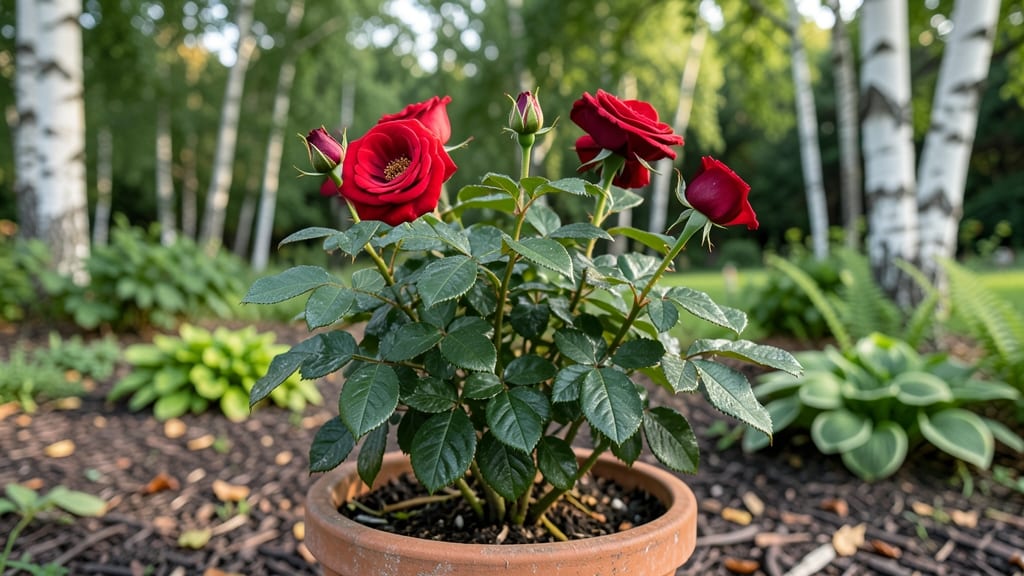
Growing a mini red rose bush that bursts with blooms all season comes down to three simple cuts and a little patience. 🌹 Honestly, I thought these tiny bushes were too delicate—until I realized they thrive on neglect and reward you with fragrant flowers from spring through fall.
The secret isn’t fancy fertilizers or constant pruning; it’s understanding their natural rhythm and giving them the right conditions to flourish.
You’ll need a spot with at least 6 hours of sunlight daily, well-draining soil (even sandy or rocky works if amended with compost), and a container or garden bed with good airflow.
Watering is the trickiest part—keep the soil moist but never soggy, especially in summer when roots can rot if overwatered. A balanced fertilizer applied every 4-6 weeks keeps blooms coming, but don’t overdo it: these roses prefer consistency over excess.
By mastering just three pruning cuts—deadheading spent blooms, shaping in early spring, and cleaning up in late winter—you’ll encourage bushier growth and more flowers. The payoff? A compact, fragrant bush that fits on patios, balconies, or even windowsills, with blooms that last longer than store-bought roses.
Plus, they’re disease-resistant, so you’ll spend less time spraying and more time enjoying their sweet scent.
Winter care is simple: mulch the base to protect roots, and in colder zones, wrap the bush with burlap or move containers to a sheltered spot. Even in harsh climates, these roses bounce back stronger each spring.
Whether you’re a beginner or a seasoned gardener, this little bush will prove that big results don’t require big effort.
📚 In This Guide
- What you need
- Instructions
- Tips and common mistakes
- Wrapping up and next steps
What you need
- ● Mini red rose bush: Choose a dwarf variety (like 'Fairy Rose,' 'Bonica,' or 'Playboy') or propagate from cuttings (see our guide for tips!).
- ● Well-draining potting mix: 5–10 gallons (for containers) or 1–2 cubic feet (for in-ground planting). Mix in perlite or sand (20–30%) for aeration.
- ○ Container (optional but recommended): 12–18" diameter pot with drainage holes (for dwarf roses).
- ● Terracotta (best for heat retention) or fabric grow bags (for flexibility).
- ● Slow-release fertilizer: 10–20–10 NPK ratio (1 tbsp per plant) or rose-specific granules (follow package rates).
- ● Pruning shears: Sharp, bypass-style shears (sterilized with rubbing alcohol).
- ○ Rooting hormone (for cuttings): Optional but boosts success rate (e.g., Clonex or hormone powder).
- ● Gloves: Heavy-duty gardening gloves (roses have thorns!).
- ● Mulch: 2–3 inches of wood chips or straw to retain moisture.
- ● Watering can or hose with nozzle: Drip irrigation works best for consistent moisture.
- ● Stake or tomato cage: 1–2 feet tall (for support as the bush grows).
- ● Spray bottle (for humidity): Helps with cutting propagation or hot climates.
- ● Pest control: Neem oil or insecticidal soap (preventative measure).
- ● Sunlight: 6+ hours of direct sun daily (south-facing window or outdoor spot).
- ● Temperature: Plant in spring after last frost (or indoors with grow lights). Ideal range: 50–85°F.
- ● Water access: Consistent moisture (but avoid soggy soil—roses hate "wet feet").
- ● Patience: Dwarf roses may take 3–6 months to bloom from cuttings!
Simple steps to grow a thriving mini red rose bush
Here's how to coax those fragrant red blooms year after year with just three essential pruning cuts.
🪴 Step 1: Choose the Right Location and Plant Your Mini Rose
Select a spot that gets 6-8 hours of sunlight daily—mini roses need plenty of light to produce their signature vibrant blooms. I always plant mine in well-draining soil with a slight slope to prevent water pooling. Dig a hole twice as wide as the root ball but only as deep as the container it came in—burying too deep suffocates the plant.
Gently remove the rose from its container and loosen any circling roots with your fingers. Place it in the hole so the graft union (the bump near the base) sits 1-2 inches above soil level. This prevents disease from creeping up the stem. Backfill with soil, tamp lightly, and water deeply to settle everything.
✂️ Step 2: First Pruning Cut for Strong Structure
Wait until spring when new growth begins—you'll see fresh green shoots emerging from the base. With clean, sharp pruners, make your first cut: trim back any dead, crossing, or weak stems to just above an outward-facing bud. This encourages an open, airy shape that prevents disease.
I always cut at a 45-degree angle about ¼ inch above the bud. This little detail keeps water from pooling on the cut and rotting the stem. Remove no more than ⅓ of the plant's foliage in this first pruning—you're shaping, not thinning.
☀️ Step 3: Summer Maintenance for Continuous Blooms
When your rose finishes blooming in early summer, make your second cut: deadhead spent flowers by snipping the stem just above the next set of five leaves. This redirects the plant's energy from seed production to growing more blooms. I do this every 2-3 weeks during the growing season to keep my mini rose producing flowers nonstop.
Watch for any stems growing toward the center of the bush—these block airflow and invite pests. Trim these back to just above a leaf node to maintain that perfect rounded shape. Feed with a balanced rose fertilizer every 4-6 weeks to support this heavy blooming.
⏰ Step 4: Late-Season Pruning for Winter Readiness
In late fall, after the first hard frost but before winter sets in, make your final cut of the year. Remove all dead or diseased stems completely. Then, cut back all remaining stems by ⅓ to ½ their height, again making cuts above outward-facing buds. This prepares the plant to focus its energy on root growth over winter.
Mulch around the base with 2-3 inches of organic mulch to protect roots from freezing temperatures. I always leave the mulch loose—compacted mulch can suffocate roots. Water thoroughly before winter to help establish roots before dormancy.
🌿 Step 5: Spring Revival and Year-Round Care
As soon as you see new growth in spring, remove any remaining dead stems and give your mini rose a light feeding. Throughout the year, water deeply once a week (more in extreme heat), always at the base to keep foliage dry. This simple routine keeps my mini red roses blooming from spring through fall with minimal effort.
Here's the thing—mini roses are forgiving. If you miss a pruning cut or forget to deadhead, don't panic. Just focus on keeping the plant healthy, and it will bounce back beautifully. The key is consistency in those three seasonal cuts, not perfection.
Tips & tricks for perfect mini red rose bush care
Here's what I wish I knew before planting my first mini rose—these simple tricks will help you avoid common mistakes and get those fragrant blooms all season.
The Light Factor: While 6-8 hours of sunlight is ideal, mini roses can adapt to partial shade (4-6 hours) if you're in a hot climate. Just know your blooms may be less vibrant. I've seen mini roses thrive in morning sun with afternoon shade, especially in Zone 8 where summer heat can scorch leaves. Watch for leaf scorch—if edges turn brown, that's your sign to move it to a slightly shadier spot.
Pruning Precision: When making those 45-degree cuts in Step 2, use sharp pruners and cut just above the bud—never leave a stub. I learned this the hard way when a stubbed cut led to fungal infection. For the late-season pruning, never cut into old wood (the dark, woody stems)—you'll never get new growth from those. Always look for green growth when deciding where to cut back in fall.
Watering Wisdom: The "deeply once a week" rule works for most climates, but adjust for your conditions. In containers, water every 2-3 days as they dry out faster. I test by sticking my finger 1 inch into the soil—if it's dry, it's time to water. Always water at the base to prevent fungal diseases that love damp foliage. A 5-gallon bucket with a slow drip works perfectly for consistent moisture.
Fertilizer Timing: That balanced rose fertilizer every 4-6 weeks is crucial, but timing matters. Start fertilizing in early spring when new growth appears and continue until mid-summer. Stop fertilizing 6-8 weeks before your first frost—new growth won't harden off properly for winter. I use a slow-release rose fertilizer in spring and switch to liquid feedings in summer for that extra bloom boost.
Pro Tips for Mini Red Rose Bush
- Here's what I wish I knew before planting my first mini rose—these simple tricks will help you avoid common mistakes ...
- The Light Factor: While 6-8 hours of sunlight is ideal, mini roses can adapt to partial shade (4-6 hours) if you're i...
- Pruning Precision: When making those 45-degree cuts in Step 2, use sharp pruners and cut just above the bud—never lea...
Frequently asked questions
Got questions about your mini red rose bush? You’re not alone! Here are answers to the most common queries to help you grow a thriving, fragrant shrub with minimal fuss.
How often should I water my mini red rose bush?
Water your mini red rose bush deeply 1-2 times per week, depending on your climate. Aim for 1-1.5 inches of water per session—soak the soil until it drains from the bottom. Morning watering prevents fungal issues, and mulching helps retain moisture. Pro tip: Check soil moisture by sticking your finger 1-2 inches deep; if it’s dry, it’s time to water!
When is the best time to prune my mini red rose bush?
Prune your mini red rose bush in early spring (before new growth) or right after blooming to encourage more flowers. Focus on removing dead, crossing, or weak branches first, then shape the bush. Troubleshooting: Avoid heavy pruning in fall—it can stress the plant before winter. For year-round blooms, do a light trim after each flush of flowers!
Can I grow a mini red rose bush in a pot?
Mini red rose bushes thrive in containers with well-draining soil and a pot at least 12-15 inches wide. Use a mix of potting soil + perlite to prevent root rot. Place the pot in full sun (6+ hours/day) and water more frequently than in-ground plants. Bonus: Potted roses are perfect for patios or small gardens!
What pests should I watch for, and how do I treat them?
Common pests include aphids, spider mites, and rose slugs. For mild infestations, spray with neem oil or insecticidal soap. If pests persist, use horticultural oil or introduce beneficial insects like ladybugs. Prevention tip: Keep your bush healthy with balanced fertilizer and good airflow to deter pests naturally!
Why aren’t my mini red roses blooming?
Lack of blooms often stems from over-pruning, poor sunlight, or insufficient nutrients. Ensure your bush gets 6+ hours of sun daily and fertilize with a rose-specific feed every 4-6 weeks during growing season. Check for stress signs: Yellow leaves may mean overwatering, while brown edges could signal underwatering or heat stress.
Wrapping up and next steps
A mini red rose bush isn’t just a pretty addition to your garden—it’s a year-round joy with minimal effort! With just three simple pruning cuts, you can keep those fragrant blooms thriving, even in cooler months.
Whether you’re a beginner or a seasoned gardener, this low-maintenance shrub delivers beauty and satisfaction with every snip and bloom.
Ready to transform your space? Grab your pruners and get growing! Start with a healthy plant, follow the easy steps, and enjoy the rewards of your hard work—one vibrant red bloom at a time. 🌹✨