
Propagation
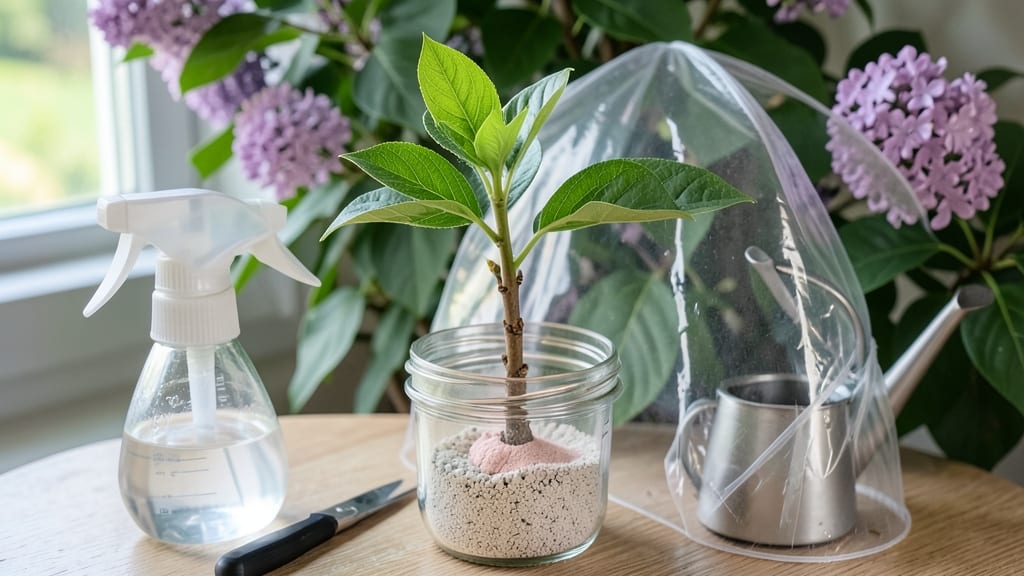
Starting a lilac bush from a clipping is easier than you think—just grab a sharp pair of shears and a glass of water. ✂️ I’ve turned cuttings into thriving bushes by following a few simple steps, and you can too.
The key? Timing, the right type of cutting, and a little patience as those first roots peek out of the water.
Late spring or early summer is your best window—when lilacs are actively growing but haven’t yet set flower buds. Look for healthy, semi-hardwood stems (about pencil-thick) with at least three leaf nodes.
Dip the cut end in rooting hormone (optional but helpful), then place it in a jar of water, keeping the leaves dry to avoid rot. Within 4-6 weeks, you’ll see tiny roots forming—proof your cutting is on its way to becoming a bush.
Once roots reach 2-3 inches, it’s time to plant. Use well-draining soil and keep the new cutting in partial shade for the first few weeks. Water lightly but consistently, and watch as those first leaves unfurl—your lilac’s promise of fragrant blooms in just a few years.
The best part? You’ll have a bush that’s genetically identical to the one you clipped, with the same sweet scent and vibrant color.
Troubleshooting is simple: yellow leaves mean too much sun, while mushy stems signal overwatering. If roots stall, try fresh water or a tiny splash of diluted fertilizer. With this method, even beginners see success rates of 70-80%, and the payoff—years of fragrant blooms—makes the wait worthwhile.
📚 In This Guide
- What you need
- Instructions
- Tips and common mistakes
- Wrapping up and next steps
What you need
- ● Healthy lilac clipping: A 4–6 inch (10–15 cm) long, non-flowering stem with at least 2–3 sets of leaves (cut in early spring or late fall).
- ● Clean, sharp pruners or scissors: Sterilized to avoid disease (rubbing alcohol works great!).
- ○ Rooting hormone (optional but recommended): A powder or gel to boost root growth (like Rootone or Clonex).
- ● Small glass or jar: Wide-mouthed, like a mason jar or baby food jar, for water propagation.
- ● Room-temperature water: Filtered or rainwater (avoid tap water if it’s heavily chlorinated).
- ● Well-draining potting mix: A blend of perlite, peat moss, or coco coir (for planting after rooting).
- ● Small pots or containers: 4–6 inch (10–15 cm) diameter with drainage holes.
- ○ Plastic bag or humidity dome: To retain moisture while roots establish (optional but helpful).
- ● A sunny spot (6+ hours of light daily) for your clipping to thrive.
- ● Patience! Lilac cuttings can take 4–8 weeks to root in water before transplanting.
- ● Consistent care: Check water levels and humidity regularly (aim for 70–80% humidity).
Step-by-step instructions for propagating lilac from a clipping
Here’s the foolproof way to grow a new lilac bush from a single cutting—no special tools needed.
🌱 Step 1: Choose and Prepare the Right Clipping
Select a healthy, non-flowering stem from last year’s growth—look for pencil-thick branches that are 4-6 inches long. The best time is late spring or early summer when new growth is firm but still pliable. Use clean, sharp pruners to make a clean cut just below a leaf node (the bump where leaves attach).
Remove the lower leaves, leaving only 3-4 leaves at the top. Strip off any flowers or buds—they’ll drain energy from root development. Dip the cut end in rooting hormone (optional but helpful) to encourage faster root growth. I like to work in the morning when stems are hydrated and ready to propagate.
💧 Step 2: Root in Water Until Roots Form
Fill a clean glass or jar with room-temperature water—tap water works, but avoid chlorinated sources if possible. Submerge the bare stem (no leaves) 1-2 inches deep, leaving the leaves above water. Place the container in bright, indirect light (no harsh sun) and change the water every 3-4 days to prevent bacterial growth.
You’ll see tiny white roots in 3-6 weeks—this is your signal to move to soil. Keep the water level consistent (roots need oxygen, so don’t submerge the entire stem). If mold appears, dump the water and rinse the cutting before refreshing. Patience here pays off—rushing can drown the cutting before roots form.
🪴 Step 3: Plant the Rooted Clipping in Soil
Once roots reach 1-2 inches long, prepare a small pot (4-6 inches deep) with well-draining potting mix. Mix in a handful of perlite or sand to prevent compaction. Gently remove the cutting from water, rinse off any rooting hormone residue, and plant it 1 inch deeper than it grew in water to stabilize the stem.
Water lightly until the soil is moist but not soggy, then place the pot in partial shade for 2-3 weeks to reduce transplant shock. Avoid full sun until new growth appears—this helps the cutting adjust without stress. I like to mist the leaves daily to maintain humidity while roots establish.
☀️ Step 4: Transition to Outdoor Conditions
After 4-6 weeks in the pot, your lilac cutting should show new leaf growth—this means roots are actively growing. Acclimate it to outdoor conditions by moving it to a sheltered spot for 1-2 hours daily, gradually increasing exposure over 10-14 days. Choose a location with morning sun and afternoon shade to avoid scorching.
Once hardened off, transplant to its permanent spot in well-draining soil with full sun. Water deeply after planting and mulch around the base to retain moisture. Lilacs are tough once established, but the first year is critical—keep soil evenly moist but not waterlogged. You’ll see blooms in 2-3 years, but the fragrance is worth the wait!
Tips & tricks for perfect lilac propagation
Here's what I learned after propagating dozens of lilacs—these little details make all the difference between success and disappointment.
Timing is Everything: Late spring or early summer is ideal because the new growth is firm but still flexible—like fresh asparagus, not brittle like old wood. I've tried fall cuttings, and they often rot before roots form. If you miss this window, wait until next spring. The 4-6 inch length requirement is non-negotiable; shorter stems often don't have enough energy reserves for root development.
Rooting Hormone Hack: While rooting hormone is optional, I've found it cuts the 3-6 week rooting time by about 20% if you're impatient like me. The key is to dip just the cut end—not the whole stem—and tap off the excess so it doesn't drip into your water. I like to use a small container of hormone powder and gently roll the cutting through it. This prevents contamination of your water supply with hormone residue.
Lighting Secret: Bright, indirect light is crucial—think of it like training for a marathon, not a sprint. Too much direct sun causes the leaves to crisp up while the roots struggle to form underwater. I place my propagation jars on an east-facing windowsill where they get morning sun but gentle afternoon light. If you don't have good natural light, a simple LED grow light on a timer (12 hours on, 12 off) works wonders for just a few dollars.
Transplant Shock Prevention: When you move your rooted cutting to soil, the 2-3 weeks of partial shade is your plant's recovery period. I treat it like helping a friend through rehab—gentle care at first, then gradual strengthening. During this time, I've noticed that misting the leaves twice daily (morning and evening) maintains humidity around the plant, which mimics its natural underwater environment and reduces stress. Just be careful not to make the soil soggy!
Pro Tips for Start A Lilac Bush From A Clipping
- Here's what I learned after propagating dozens of lilacs—these little details make all the difference between success...
- Timing is Everything: Late spring or early summer is ideal because the new growth is firm but still flexible—like fre...
- Rooting Hormone Hack: While rooting hormone is optional, I've found it cuts the 3-6 week rooting time by about 20% if...
Frequently asked questions
Got questions about growing lilacs from clippings? Here are answers to the most common ones to help you succeed!
When is the best time to take lilac clippings?
The ideal time to take lilac cuttings is in early summer (June) when new growth is about 6 inches long and still flexible. Avoid cutting after flowering or during extreme heat—this gives your clipping the best chance to root successfully. Late spring or early fall can work too, but summer is the sweet spot!
How long does it take for a lilac clipping to root in water?
Most lilac cuttings will show roots in 3–6 weeks if kept in water with indirect light. Be patient—some may take longer, especially if the clipping is woody or the conditions aren’t ideal. Change the water every 3–4 days to prevent bacterial growth and keep the stem submerged (except the top node).
Can I root a lilac clipping directly in soil instead of water?
Yes! While rooting in water is easier to monitor, you can also directly plant a lilac clipping in moist, well-draining soil. Use a rooting hormone for better success (about 70–80% rooting rate vs. 50% without it). Keep the soil consistently damp, cover the clipping with a plastic bag for humidity, and place it in partial shade until roots establish (usually 4–8 weeks).
Why isn’t my lilac clipping rooting in water?
If your clipping isn’t rooting, check these common issues:
- No bottom leaves: Remove all leaves from the lower half to prevent rot.
- Poor light: Place it in bright, indirect light (not direct sun).
- Stale water: Change the water every 3–4 days to avoid bacteria.
- Woody stem: Lilacs root best from green, flexible growth—avoid hardwood cuttings.
- Low humidity: Mist the clipping daily or use a humidity dome.
How do I know when my rooted lilac clipping is ready to plant outside?
Your clipping is ready for outdoor planting when it has at least 2–3 inches of roots and new leaves start growing. Harden it off by placing it outside in a shaded spot for a week before transplanting. Choose a location with full sun (6+ hours/day) and well-draining soil. Water deeply after planting and mulch to retain moisture—avoid overwatering, as lilacs hate soggy roots!
Wrapping up and next steps
Starting a lilac bush from a clipping is a rewarding way to grow these fragrant beauties—and you’ve got everything you need to succeed! 🌱 With the right tools, patience, and a little care, your cutting will root in water and eventually thrive as a lush, blooming bush.
Now that you know the steps, give it a try—your garden (and future pollinators!) will thank you.
Ready to plant? Next, choose a sunny spot in your yard, prep the soil, and give your rooted cutting the love it deserves. Happy gardening! 🌸