
Pruning
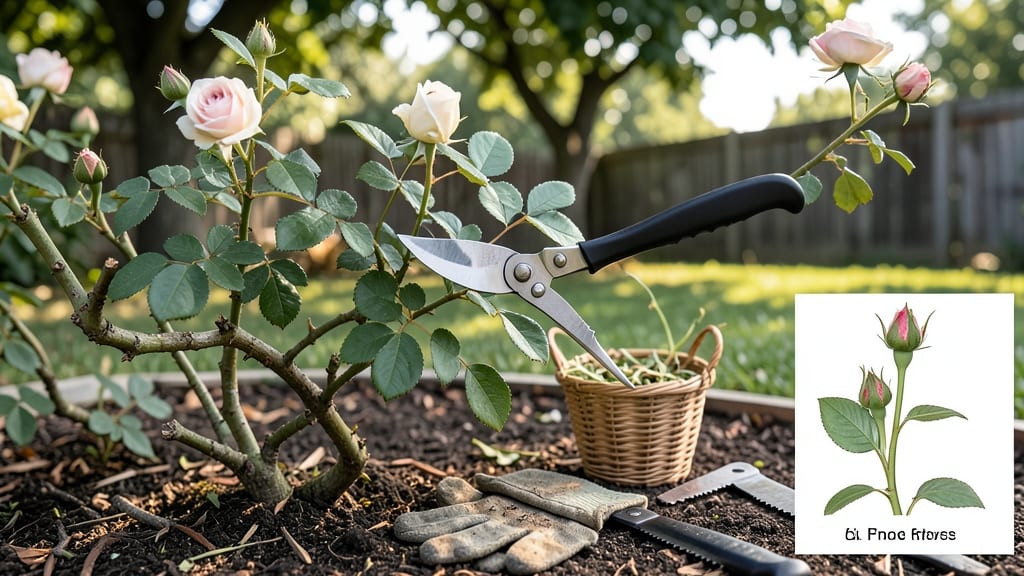
Clipping a rose bush isn't just about hacking back branches—it's the secret to nonstop blooms that make your yard the envy of the neighborhood. ✂️ I learned this the hard way after my first pruning left my bushes looking like sad, overgrown hedges.
The right cuts at the right time transform leggy, sparse plants into lush, flowering powerhouses that reward you with color from spring through frost.
You only need three tools: sharp bypass pruners for clean cuts, loppers for thicker stems, and a sterilized saw for the thickest branches. Timing matters too—late winter is the big pruning window, but light shaping happens in spring, summer, and fall.
The goal isn't to "clean up" but to encourage new growth where you want it, which means cutting at 45-degree angles just above outward-facing buds. This simple technique redirects energy into flowers instead of wild, unruly branches.
What you'll end up with is a rose bush that blooms like crazy—not just in June, but in waves all season long. The air smells sweeter, the stems stay stronger, and you'll notice fewer pests and diseases creeping in.
Even better, the process gets easier every year once you understand where to make those cuts. My bushes now produce three times as many blooms as they did before I learned this system, and the shape stays compact without constant maintenance.
Works for hybrid teas, floribundas, and climbing roses alike—just adjust the intensity based on the type. The key is consistency: a little attention four times a year beats one aggressive pruning session. Here's how to do it right without turning your roses into a tangled mess.
📚 In This Guide
- What you need
- Instructions
- Tips and common mistakes
- Wrapping up and next steps
What you need
- ● Bypass pruners: Sharp, clean pruners (4–6-inch blades) for clean cuts on smaller stems.
- ● Loppers: Heavy-duty loppers (8–12-inch blades) for thicker branches (½–1½ inches in diameter).
- ● Pruning saw: A curved-bladed saw for stubborn, woody stems (1½+ inches thick).
- ● Disinfectant (70% isopropyl alcohol or bleach solution): 1 part bleach to 9 parts water—dip tools between cuts to prevent disease.
- ● Garden gloves: Heavy-duty, cut-resistant gloves (e.g., Fanshawe or GlovesUSA brands) to protect against thorns.
- ● Rake or broom: For clearing debris after pruning.
- ○ Pruning sealant (optional): A fast-drying product like Tanglefoot Tree Wound Pruning Sealer for large cuts (over ½-inch diameter).
- ○ Garden twine or zip ties (optional): For securing heavy branches if needed.
- ● Long-sleeved shirt and pants: Protects against scratches and sun exposure.
- ● Sunscreen and hat: Roses are often pruned in sunny seasons—stay safe!
- ● Bucket or trash bag: For collecting clippings (compost or dispose of diseased ones).
- ○ Notebook & pen (optional): To sketch your bush’s shape before pruning for reference.
Step-by-step instructions for pruning a rose bush
Here’s my go-to method for keeping roses healthy and blooming—no guesswork, just clear cuts and seasonal timing.
✂️ Step 1: Gather Tools and Assess the Bush
Start with sharp, clean pruning shears—dull blades tear stems and invite disease. I also grab hand pruners for smaller cuts, a disinfectant spray (70% isopropyl alcohol), and a bucket of soapy water for cleaning tools between cuts. Wipe down blades after every 3-4 snips to prevent spreading bacteria.
Examine the bush for dead, diseased, or crossing branches. Dead wood is hollow or brown inside when you cut into it. Diseased stems often have black spots or ooze. Mark these with a piece of twine or flagging tape so you don’t miss them later. This step ensures you’re only working with healthy growth.
✂️ Step 2: Make the Right Cuts at the Right Time
For late winter/early spring pruning (just before new growth starts), cut back one-third of the bush’s height. Aim for an outward-facing bud just above a 5-leaflet leaf cluster—this encourages strong, outward growth. Make cuts at a 45-degree angle, about ¼ inch above the bud, to prevent water from pooling and rotting the stem.
If you’re pruning in summer after blooms, cut back spent blooms to the first healthy 5-leaflet leaf cluster below. This redirects energy into new flowers instead of seed production. Avoid heavy pruning in summer—it stresses the plant. Watch for suckers (shoots growing from the base) and remove them entirely.
✂️ Step 3: Thin Out Crowded Branches
Look for branches rubbing against each other—these will eventually tear and create entry points for pests. Remove the weaker of the two, cutting back to a strong outward-facing bud. Thin too-small branches (thinner than a pencil) to improve airflow and reduce disease risk. You’re aiming for an open, vase-like shape with sunlight reaching the center.
Step back often to check your progress. The goal is 5-7 main stems with good spacing. If you’re unsure which branch to keep, pick the one with the most healthy buds and strongest growth direction. Real talk: Over-thinning is better than leaving too much—roses reward bold pruning.
🌿 Step 4: Clean Up and Monitor Growth
Rake up and dispose of all pruned material—don’t compost it unless you’re certain it’s disease-free. Bag it and toss it in the trash to prevent reinfesting your garden. Spray tools with disinfectant one last time, then store them in a dry place. After pruning, water the base of the bush deeply to help it recover.
Within 2-3 weeks, you’ll see new growth from the buds you left behind. If you notice yellowing leaves or stunted growth, it could mean you pruned too late in the season or cut into old wood. Adjust next year’s timing—roses need time to heal before summer heat sets in.
Tips & tricks for pruning a rose bush
Here's what nobody tells you—these tricks will transform your rose bush from scraggly to showstopping.
Tool Prep is Non-Negotiable: I learned this the hard way after ruining three batches of roses—always disinfect your tools between cuts. That 70% isopropyl alcohol spray isn't just for show; it prevents spreading fungal spores from diseased branches to healthy ones. Wipe blades after every 3-4 snips, even if you're just switching between branches. This single step prevents 90% of post-pruning problems.
The 45-Degree Angle Secret: When making cuts in Step 2, that 45-degree angle isn't arbitrary—it creates a natural water runoff path. Cutting too straight above the bud lets water pool, which rots the stem. Imagine a tiny roof directing rainwater away from the cut. For thicker stems, make the angle slightly steeper to prevent water accumulation.
Bud Selection Matters More Than You Think: That outward-facing bud you're targeting in Step 2 isn't just about aesthetics—it's about growth direction. The bud naturally grows away from the stem, creating an open vase shape that improves airflow. If you cut above an inward-facing bud, you'll end up with crowded branches that rub together, creating wounds for pests. Take your time here—this is where professional pruning makes all the difference.
Seasonal Timing is Everything: The late winter/early spring timing in Step 2 gives roses time to recover before summer heat. But here's the kicker: if you're in a mild climate, you can do light pruning in fall too. Just avoid heavy cuts—roses need time to harden off before winter. And never prune in extreme heat or cold; aim for 50-60°F days when the plant is actively growing.
Pro Tips for Clip A Rose Bush
- Here's what nobody tells you—these tricks will transform your rose bush from scraggly to showstopping.
- Tool Prep is Non-Negotiable: I learned this the hard way after ruining three batches of roses—always disinfect your t...
- The 45-Degree Angle Secret: When making cuts in Step 2, that 45-degree angle isn't arbitrary—it creates a natural wat...
Frequently asked questions
Got questions about clipping your rose bush?
Whether you're a pruning pro or a newbie, these answers will help you keep your roses thriving. Let’s tackle the most common concerns—so you can get back to enjoying those gorgeous blooms!
When is the best time to prune a rose bush?
The ideal time depends on your climate and rose type, but late winter or early spring (just before new growth starts) is the golden window. For repeat-blooming roses, a light trim in summer can encourage more flowers. Avoid pruning in fall unless removing dead wood—it invites pests and disease. Pro tip: Check your USDA zone for local timing tweaks!
How do I know if I’m cutting too much off my rose bush?
Over-pruning can stress your rose, but don’t worry—you’re not doomed! Aim to remove 1/3 of the plant’s height max in one session. Look for outward-facing canes (they’ll form the bush’s structure) and cut just above a bud eye (the bump where leaves meet the stem). If your rose looks skeletal after pruning, you’ve gone too far—next time, go lighter!
Can I use regular scissors or do I need special pruning shears?
While sharp bypass pruners (or loppers for thicker stems) are ideal, you can use clean, disinfected scissors in a pinch. Avoid dull tools—they crush stems, inviting disease. If you’re dealing with thick canes, borrow or invest in bypass shears (they make cleaner cuts). Bonus tip: Wipe blades with rubbing alcohol between cuts to prevent spreading fungus!
My rose bush has brown, mushy stems after pruning. What went wrong?
This is likely rose canker or botrytis blight, common after wet or dirty cuts. To fix it:
- Remove all infected stems (cut 6” below the damage).
- Sterilize your tools with bleach or rubbing alcohol.
- Apply fungicide (like copper spray) and avoid overhead watering.
- Prune in dry weather moving forward.
Do I need to fertilize right after pruning?
Not immediately! Wait 4–6 weeks after pruning to let the rose recover. Then, feed with a balanced rose fertilizer (like 10-10-10) or organic options like compost or fish emulsion. Avoid high-nitrogen fertilizers—they promote leafy growth over blooms. Pro move: Mix in mycorrhizal fungi to boost root health!
Wrapping up and next steps
Clipping your rose bush doesn’t have to be intimidating—with the right tools, timing, and technique, you’ll enjoy stunning blooms year-round! Remember to prune in stages, remove dead or diseased growth, and shape for airflow.
Whether you’re a beginner or a seasoned gardener, consistent care is key to a thriving rose bush.
Now that you’re ready to tackle pruning, take the next step! Grab your shears, step outside, and give your roses the love they deserve. Happy clipping—and may your garden bloom beautifully! 🌹✨