
Shrubs
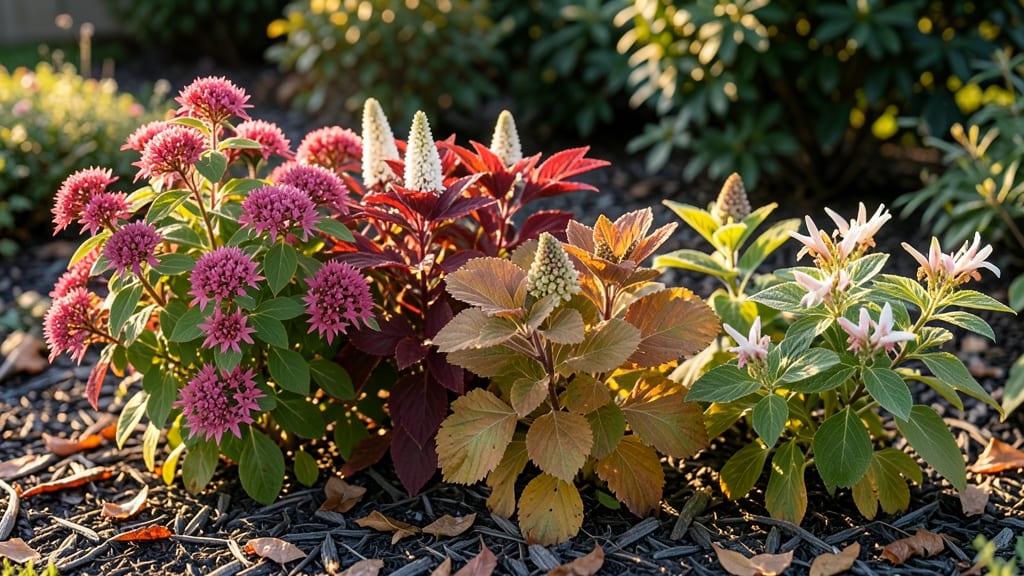
Fall flowering bushes turn your yard into a late-season masterpiece when most gardens fade to brown. 🌿 I’ve planted these cold-hardy varieties for years—they bloom when temperatures dip, and some even surprise you with winter interest.
The key is choosing the right types for your climate and giving them the right care as seasons shift.
Think hydrangeas like ‘Limelight’ or ‘Endless Summer,’ which burst with color in fall and hold up through light frosts, or viburnums that reward you with clusters of pink or white blooms well into winter.
Asters and butterfly bushes also shine in cooler weather, attracting pollinators when food is scarce. Most thrive in full sun to partial shade, with well-draining soil that won’t waterlog in autumn rains.
With the right pruning—usually right after blooming or in early spring—you’ll encourage bigger, showier flowers next fall. Mulch heavily in late fall to protect roots from freezing, and water deeply before the ground freezes to help plants establish.
These bushes aren’t just pretty; they’re the backbone of a garden that stays lively long after summer’s over.
Works in any zone from 3 to 9, though exact varieties may vary by region. Let’s pick the perfect ones for your yard and keep them blooming season after season.
📚 In This Guide
- What you need
- Instructions
- Tips and common mistakes
- Wrapping up and next steps
What you need
- ● Fall flowering bushes: Choose 3–5 cold-hardy varieties (e.g., Viburnum bodnantense, Fothergilla, or Hamamelis) based on your climate zone.
- ● High-quality potting soil: 2–3 bags (50 lbs each) of well-draining, organic soil mix (e.g., Miracle-Gro Garden Soil or Espoma Organic Potting Mix).
- ● Compost or organic fertilizer: 1–2 bags (e.g., Dr. Earth Organic 5) to enrich the soil.
- ● Mulch: 1–2 bags of shredded bark or wood chips (1–2 cubic feet) to retain moisture and regulate temperature.
- ● Garden gloves: 1 pair (heavy-duty, water-resistant) to protect your hands.
- ● Pruning shears: 1 pair (bypass pruners, sharp and clean) for trimming.
- ● Garden trowel or spade: 1 medium-sized (for digging holes 2–3 times wider than the root ball).
- ● Wheelbarrow or bucket: 1 (5-gallon capacity) for mixing soil and transporting materials.
- ● Watering can or hose with nozzle: 1 (for gentle watering, especially after planting).
- ● Measuring tape: 1 (to ensure proper spacing between plants, typically 4–6 feet apart).
- ○ Optional: Soil pH test kit (to check acidity/alkalinity, ideal range: 5.0–6.5 for most fall bloomers).
- ● Slow-release fertilizer spikes (for ongoing nutrient support).
- ● Plant supports (stakes or cages) if your bushes are tall or top-heavy.
- ● Sunlight assessment: Identify areas with partial shade to full sun (most fall flowering bushes thrive in 4–6 hours of sunlight).
- ● Weather check: Plant in early fall (4–6 weeks before first frost) for root establishment.
- ● Local regulations: Verify if your area requires permits for planting or landscaping.
How to select and plant cold-hardy fall flowering bushes
Here’s my no-fuss approach to choosing and planting shrubs that thrive in fall’s cooler weather.
🌿 Step 1: Choose the Right Varieties for Your Climate
Look for shrubs labeled as USDA Zones 4-8 to ensure they’ll survive winter. My top picks are panicle hydrangeas (like ‘Limelight’), smoke bushes (Cotinus), and spirea (like ‘Goldflame’). These bloom reliably in fall and handle frost well. Check your local nursery for cold-hardy options—they’ll often have tags listing hardiness zones.
If you’re unsure about your zone, use the USDA Plant Hardiness Zone Map online. Even a slight mismatch can mean the difference between a thriving bush and a frozen one. I always double-check before buying, especially for first-time plantings.
☀️ Step 2: Pick the Perfect Planting Spot
Most fall-blooming shrubs need full sun to partial shade—at least 6 hours of sunlight daily. A south- or west-facing spot works best, but avoid areas where afternoon shade blocks light for more than 2 hours. If your yard has heavy afternoon sun, opt for varieties like weigela or butterfly bush, which tolerate heat better.
Test the spot in late summer to see how much shade it gets. Walk through the area at different times of day and notice where light fades first. That’s where you’ll want to place shade-tolerant varieties if needed.
🪴 Step 3: Dig and Plant at the Right Depth
Dig a hole twice as wide as the root ball but no deeper. Loosen the roots gently if they’re circling or bound—this encourages them to spread outward. Place the bush in the hole so the top of the root ball sits level with the ground (never buried deeper). Fill the hole with native soil, tapping it lightly to remove air pockets.
Water deeply right after planting to settle the soil around the roots. A good rule is to water until the soil 12 inches down is moist. Mulch with 2-3 inches of shredded bark or wood chips to retain moisture and regulate soil temperature—just keep it 3 inches away from the stem to prevent rot.
💧 Step 4: Water and Fertilize for Fall Establishment
Water newly planted shrubs once a week unless rain provides 1 inch of moisture. Overwatering in fall can lead to weak roots, so always check the soil 2 inches down before watering again. If it’s damp, hold off—soggy soil suffocates roots.
Apply a slow-release fertilizer (like 10-10-10) in early fall to give roots a nutrient boost before winter. Avoid high-nitrogen fertilizers—they encourage leafy growth at the expense of root strength. A light feeding now sets the stage for next year’s blooms.
✂️ Step 5: Prune Strategically for Next Year’s Blooms
Fall is the best time to prune after the first hard frost but before the ground freezes. Remove dead, diseased, or crossing branches first—these can harbor pests or block sunlight. For flowering shrubs, cut back one-third of the oldest stems to encourage new growth and more blooms next season.
Use clean, sharp pruners to make cuts just above a leaf node or outward-facing bud. Avoid leaving stubs—they can rot over winter. If you’re unsure which branches to trim, take a photo first and compare it to your shrub’s care guide.
Tips & tricks for perfect fall flowering bushes
These simple strategies will help you transform your yard into a vibrant fall display with minimal effort.
Selection Tip: When choosing your bushes, look for labels that specify "fall-blooming" or "extended season" varieties—they're specifically bred to thrive in cooler temperatures. I always check for tags that mention "reliable fall color" or "frost-tolerant blooms" to ensure I'm getting the best performers. The 'Limelight' panicle hydrangea, for example, maintains its color beautifully even after the first frost, which is why it's my go-to recommendation.
Planting Depth Secret: The most common mistake I see is planting too deep—burying the root ball below ground level can suffocate the roots and prevent proper growth. Remember, the top of the root ball should sit level with the surrounding soil. A good trick is to use a marker or stake to mark where the root ball's top was before planting, then adjust until it matches your reference point. This simple step makes all the difference in establishing healthy plants.
Sunlight Strategy: The 6 hours of sunlight mentioned in Step 2 is a minimum, but don't be afraid to provide more if possible. Morning sun with afternoon shade works particularly well for many varieties, as it prevents the intense heat that can stress plants. I often recommend positioning bushes where they'll receive the majority of their sunlight during the cooler morning hours, especially in hotter climates. This approach helps maintain vibrant blooms throughout the fall season.
Pruning Wisdom: When you're ready to prune after the first hard frost, focus on removing branches that are growing inward or crossing over others first. These are the ones that will compete for sunlight and nutrients, potentially reducing your bush's overall health and bloom production. I like to think of it as giving your plant a "haircut"—just like with human hair, you want to create space for new growth to thrive. Always use clean, sharp pruners to make precise cuts that heal quickly.
Pro Tips for Fall Flowering Bushes
- These simple strategies will help you transform your yard into a vibrant fall display with minimal effort.
- Selection Tip: When choosing your bushes, look for labels that specify "fall-blooming" or "extended season" varieties—they're specifically bred to thrive in cooler temperatures.
- Planting Depth Secret: The most common mistake I see is planting too deep—burying the root ball below ground level can suffocate the roots and prevent proper growth.
Frequently asked questions
Got questions about fall flowering bushes?
You’re not alone! Here are some of the most common queries—plus quick, practical answers to help you pick, plant, and enjoy these stunning shrubs all season long.
When do fall flowering bushes bloom, and how long does the show last?
Most fall bloomers—like Hydrangea paniculata or Abelia—start showing color in late summer (August) and peak through October or November, depending on your climate. With proper care, some varieties (like Viburnum bodnantense) can even bloom sporadically into early winter! Chilly nights often trigger more vibrant blooms, so don’t prune too early—wait until spring.
Are these bushes truly cold-hardy, or will they die in harsh winters?
Many fall flowering bushes thrive in USDA Zones 4–8 (or even colder for tough varieties like Weigela or Fothergilla). To boost survival, mulch heavily in late fall, water deeply before frost, and choose native species adapted to your region. Pro tip: Evergreens (e.g., Pieris japonica) may need winter protection with burlap wraps if you’re in Zone 5 or below.
Can I plant fall flowering bushes in fall, or should I wait until spring?
Fall planting is ideal—cool temps and consistent moisture help roots establish before winter. Aim to plant 4–6 weeks before your first hard frost (usually September–October in most regions). Just avoid soggy soil, and give new shrubs a good drink of water post-planting. Spring planting works too, but young bushes may need extra shade and watering during hot spells.
What pests or diseases should I watch for, and how do I prevent them?
Common culprits include aphids (sap-sucking pests), powdery mildew (white fungal spots), and Japanese beetles (chewing leaves). Preventive care:
- Space bushes for airflow to reduce mildew.
- Use neem oil or insecticidal soap for pests.
- Prune out infected branches immediately.
- Water at the base (not overhead) to deter fungal growth.
What’s a great low-maintenance fall flowering bush for beginners?
Start with Abelia ‘Kaleidoscope’ (hardy, drought-tolerant, and blooms from summer to frost) or Spirea ‘Goldflame’ (compact, vibrant foliage + pink flowers). Both thrive in full sun to part shade, handle poor soil, and rarely need pruning. For shade lovers, Hydrangea quercifolia (‘oakleaf hydrangea’) is a showstopper with minimal fuss!
How do I encourage more blooms next year?
Feed your bushes in early spring with a balanced fertilizer (10-10-10) or compost. Deadhead spent blooms in late winter (if needed) to redirect energy to new growth. Key hack: Most fall bloomers flower on new wood, so avoid heavy pruning until after blooming. Overwatering or poor drainage can stress shrubs—amend heavy clay soil with compost for happier roots!
Wrapping up and next steps
Fall flowering bushes are the perfect way to keep your garden vibrant as the seasons change—adding color, texture, and life even when temperatures drop. 🌿 From cold-hardy favorites like Viburnum bodnantense to the bold hues of Hydrangea and Cotoneaster, these shrubs prove that fall isn’t just a transition—it’s a showstopper.
With the right care, they’ll reward you with years of effortless beauty.
Ready to transform your landscape? Start by choosing the perfect variety for your climate and soil, then plant with confidence. Your garden’s fall masterpiece is just a season away! 🌸