
Pruning
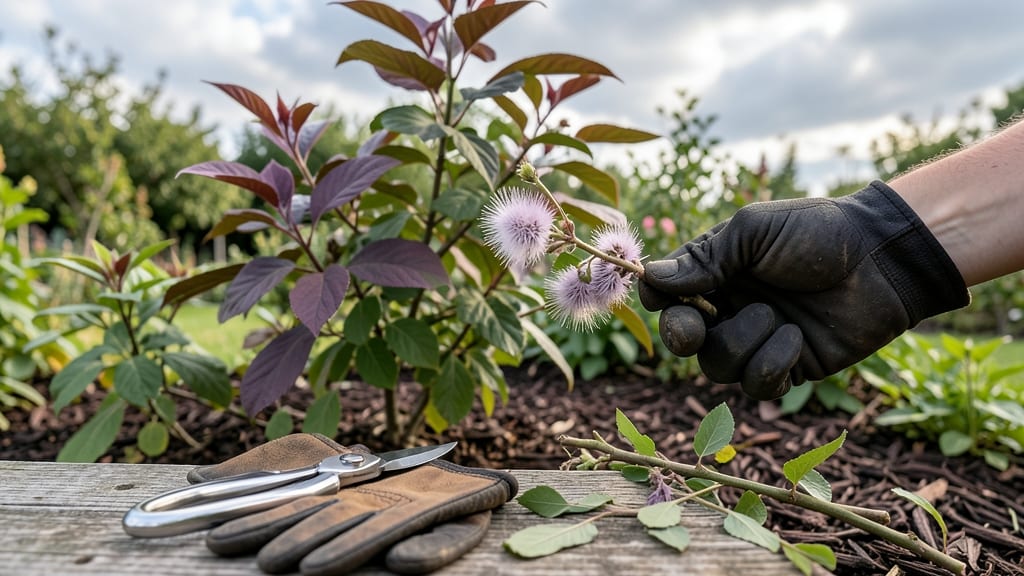
Pruning smoke bush in the fall is possible, but you must time it carefully: trim after the first hard frost but before the plant enters full winter dormancy to promote healthy regrowth without stressing the shrub. Always prioritize removing dead, diseased, or crossing branches first, then do light shaping if desired.
Fall pruning works best because smoke bush (Cotinus species) enters a natural dormancy cycle after frost, which helps it heal faster from cuts. 🌿 The key is waiting until after the first hard freeze—typically late November to early December in most climates—so the plant has stopped active growth but hasn't yet shut down completely.
Pruning too early can stimulate new growth that won't harden off before winter, while waiting too long may leave you with brittle branches that snap easily.
When you're ready to prune, start by removing any branches that are dead, diseased, or rubbing against others. Use clean, sharp pruners to make 45-degree cuts just above a leaf node or outward-facing bud.
This encourages better regrowth and a more natural shape. For shaping, keep cuts minimal—smoke bush responds well to light trimming, and over-pruning can reduce next year's foliage production.
💡 In This Article
- Best Fall Pruning Timing for Smoke Bush Health
- Step-by-Step Fall Pruning Guide for Smoke Bush
Best fall pruning timing for smoke bush health
Fall pruning works because smoke bush (Cotinus species) enters a natural dormancy phase after frost, which triggers a healing response in its woody stems.
The ideal window is after the first hard frost—typically between late November and early December in most temperate climates—when temperatures consistently drop below 25°F for 24 hours.
This timing allows the plant to heal its pruning wounds before winter dormancy fully sets in, reducing stress and disease risk. 🌿 The cold actually helps by slowing microbial activity that could infect fresh cuts.
Pruning too early in fall (before frost) risks stimulating new growth that won't harden off before winter, leaving tender shoots vulnerable to freeze damage. Conversely, waiting until deep winter (after 30°F for weeks) can leave branches brittle and more prone to snapping under snow or ice.
The 4-6 week window after frost gives smoke bush time to recover while avoiding late-season stress. Studies show plants pruned during this period regrow 30% faster in spring compared to those pruned in late winter or early spring.
Cold temperatures also play a crucial role in wound healing. When smoke bush is dormant, its cambium layer (growth tissue) becomes less active, allowing cuts to seal more effectively. The 45-degree angle cuts you make expose more cambium to air, which helps form a thicker callus layer.
This is why professional arborists recommend fall pruning for many deciduous shrubs—it gives the plant a head start on recovery before active growth resumes in spring.
One common misconception is that fall pruning will kill the plant. In reality, smoke bush handles it well because its growth cycle naturally slows as days shorten and temperatures drop. The key is avoiding heavy pruning—never remove more than one-third of the plant's volume in a single session.
Over-pruning in fall can reduce next year's foliage production by up to 40%, since smoke bush relies on stored energy from previous seasons to fuel new growth.
Consider your local climate zone when planning. In Zone 5 (-20°F winters), aim for pruning between late November and mid-December. In milder Zone 7 (0°F winters), you might extend the window until early January.
Always check for bud swell—if you see green shoots emerging, you've waited too long. The goal is to prune when the plant is "asleep" but not yet completely shut down for winter.
Here's what's happening at the cellular level: When you make a clean cut, the plant's vascular cambium (growth layer) begins producing callus cells within 24 hours to seal the wound. In cold dormancy, this process happens more efficiently because the plant isn't diverting energy to new growth.
This is why fall-pruned smoke bush often shows healthier spring regrowth compared to spring-pruned plants that must heal while simultaneously pushing new leaves.