
Blooming
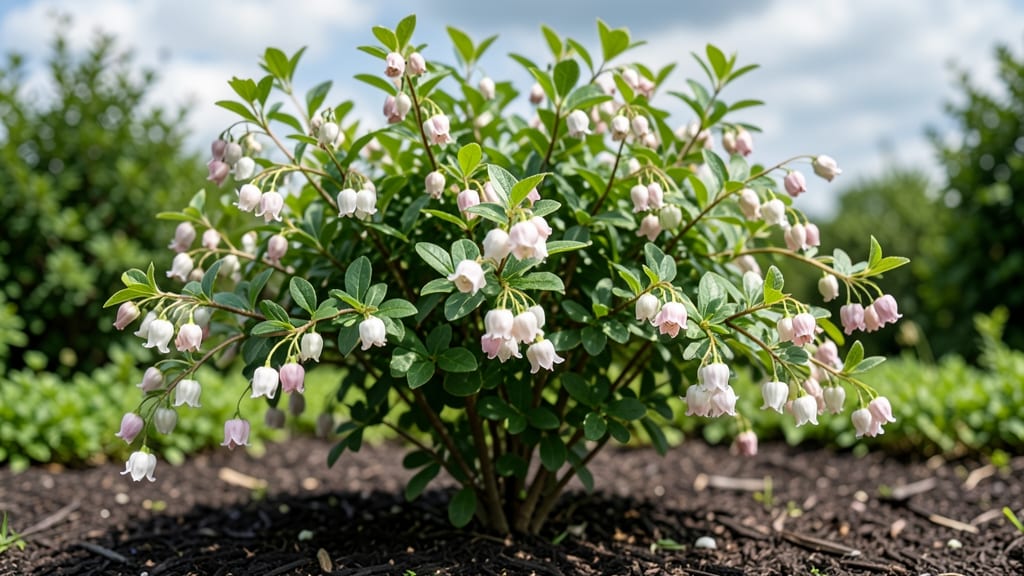
Your blueberry bush blossoms are the secret to next year’s harvest—and they’re far more delicate than most gardeners realize. 🌸 I’ve watched entire crops fail because of one missed pruning step or a late frost, but with the right timing and technique, you can turn those pale pink clusters into a fruit bonanza.
The key lies in understanding when to prune, how to protect them from spring’s whims, and what healthy blossoms look like before they even appear.
First, timing matters more than you’d think. Prune your bushes in late winter or early spring—right after the last frost warning—to encourage new growth while preserving last year’s wood. Healthy blossoms form on one-year-old wood, so you’re actually pruning for next season’s fruit while you’re at it.
And don’t forget: blueberries need cross-pollination between varieties, so plant at least two different types if you want a full harvest.
What you’ll end up with is a bush covered in hundreds of tiny white-to-pink blossoms that smell like spring itself. When done right, those flowers turn into plump berries by midsummer, and the process starts with just a few sharp cuts and a little patience.
The best part? You’ll spot the difference between thriving blossoms (firm, upright stems) and struggling ones (drooping, sparse) long before they set fruit.
This method works for both highbush and rabbiteye varieties, whether you’re in a cool mountain climate or a warm southern zone. The same principles apply—just adjust your pruning window by a few weeks. Here’s how to make it happen without losing a single blossom to frost or poor timing.
📚 In This Guide
- What you need
- Instructions
- Tips and common mistakes
- Wrapping up and next steps
What you need
- ● Pruning shears: Bypass pruners (sharp, clean, and sterilized with rubbing alcohol) for clean cuts.
- ● Loppers: For thicker branches (1.5"–2" diameter), with a long handle for leverage.
- ● Hand pruners: Small, precise shears for delicate trimming (e.g., Felco F-2 or Corona brands).
- ● Gloves: Heavy-duty, cut-resistant gloves (e.g., Wolverine or Poulan) to protect hands from thorns.
- ● Disinfectant: 70% isopropyl alcohol or bleach solution (1 part bleach to 9 parts water) for sterilizing tools.
- ○ Pruning sealant: Optional but helpful—tree wound paint (e.g., Tanglefoot) to prevent disease on large cuts.
- ● Measuring tape: 6-foot tape for assessing branch lengths and spacing.
- ● Garden twine or flags: To mark branches for future reference (e.g., bright-colored ribbons).
- ● Know your blueberry variety: Research whether your bush is highbush (e.g., 'Duke') or lowbush (e.g., 'Jersey')—pruning needs vary!
- ● Weather check: Prune on a dry, cloudy day (avoid frost or extreme heat).
- ● Mulch: Pine straw or wood chips (2–3 inches deep) to retain moisture post-pruning.
- ● Fertilizer: Acid-loving plant fertilizer (e.g., Miracle-Gro Azalea/Camellia) for post-pruning nourishment.
- ● Camera or notebook: Document your bush’s structure before/after pruning for tracking progress.
Step-by-step guide to reviving blueberry bush blossoms
Here’s how to coax vibrant spring blooms from your blueberry bushes using a simple pruning strategy.
✂️ Step 1: Assess Last Year’s Growth for Pruning Zones
Start by examining your blueberry bushes in late winter or early spring before buds swell. Look for last year’s fruiting wood—these are the branches that produced berries last season. They’ll be thicker and often have small scars where fruit grew. These branches are the backbone of your bush’s productivity.
Identify dead or diseased branches first—they’ll be brown, brittle, or lack buds entirely. Cut these out completely at the base. Then, mark the older, unproductive wood (branches over 5 years old) with a piece of twine or flagging tape. These branches won’t produce well and should be pruned back to younger growth in the next steps.
✂️ Step 2: Thin Out Crowded Canes for Airflow
Blueberry bushes thrive when they have good airflow, which prevents fungal diseases like botrytis. Step back and look for overcrowded areas where branches grow too close together. Remove 1 in 3 canes in these spots, cutting them back to the ground. Focus on the oldest, thickest canes first—they’re the least productive.
Use clean, sharp pruners to make cuts at a 45-degree angle, about ¼ inch above a bud or lateral branch. Avoid leaving stubs, as they can rot and invite pests. If a branch is too thick for your pruners, use a handsaw and sterilize it with rubbing alcohol between cuts.
☀️ Step 3: Prune for Light Penetration and Bloom Revival
Now, focus on the remaining branches to encourage new growth and blooms. Cut back last year’s fruiting wood by one-third, trimming just above a healthy bud. This opens up the center of the bush, allowing sunlight to reach inner branches. Sunlight triggers bud development, so this step is critical for next year’s flowers.
For younger canes (under 3 years old), shorten them by half their length to promote bushier growth. You’ll see new shoots forming at the base of these cuts within a few weeks. Avoid over-pruning—never remove more than one-third of the bush’s total growth in a single season.
💧 Step 4: Fertilize and Water for Post-Pruning Recovery
After pruning, spread a balanced, acidic fertilizer (like 10-10-10 or a blueberry-specific blend) around the base of the bush, keeping it 3 inches away from the trunk. Water deeply to help the fertilizer penetrate the soil. Blueberries need soil pH between 4.5 and 5.5, so test your soil and amend with sulfur or peat moss if needed.
Water the bush 1 inch per week, keeping the soil consistently moist but not soggy. Mulch with 2-3 inches of pine needles or wood chips to retain moisture and acidify the soil over time. Avoid mulching too close to the trunk to prevent rot. You’ll see fresh, vibrant growth within 3-4 weeks—that’s your sign the bush is recovering well.
⏰ Step 5: Monitor for New Growth and Adjust as Needed
Throughout the growing season, watch for new shoots emerging from the base of the bush. These are your future fruiting canes. If you notice any branches growing inward or crossing others, prune them out immediately to prevent disease. By mid-summer, you should see plump, green buds forming—these are next year’s blossoms.
If your bush looks stressed (yellow leaves, sparse growth), it may need more nitrogen. Apply a light nitrogen fertilizer in early summer, but avoid heavy feeding late in the season—it encourages tender new growth that can’t survive winter. By next spring, you’ll have a bush bursting with healthy blossoms ready for another bountiful harvest.
Tips & tricks for reviving blueberry bush blossoms
Here's what nobody tells you about pruning blueberries—these tricks will help you avoid common mistakes and get those blossoms blooming.
Timing is Everything: Prune in late winter or early spring, right before buds begin to swell. This timing ensures you're cutting when the bush is still dormant but ready to burst into growth. If you prune too early, you risk exposing the bush to late winter frosts; if you wait too long, you'll cut off potential blooms for the current season. I've seen gardeners accidentally prune off next year's flowers by waiting until buds were already forming.
The Right Tools Make All the Difference: Use clean, sharp pruners for every cut—dull blades crush branches instead of making clean cuts. Sterilize your tools with rubbing alcohol between cuts on thick branches to prevent spreading disease. For branches too thick for your pruners, a handsaw works best. I learned this the hard way after struggling with a stubborn branch that ended up tearing, creating an open wound that invited pests.
Visual Cues for Perfect Cuts: When making cuts, aim for a 45-degree angle about ¼ inch above a bud or lateral branch. This angle helps water run off the cut, preventing rot. Look for the small buds along the branch—they're your guide for where new growth will emerge. If you're unsure which way is up on a branch, the buds will always be facing upward, pointing toward next year's growth.
Seasonal Follow-Up: After pruning, monitor your bush closely for new shoots emerging from the base. These are your future fruiting canes, and they'll tell you if your pruning was successful. By mid-summer, you should see plump green buds forming—these are next year's blossoms. If you notice any branches growing inward or crossing others, prune them out immediately to maintain airflow and prevent disease.
Pro Tips for Blueberry Bush Blossoms
- Here's what nobody tells you about pruning blueberries—these tricks will help you avoid common mistakes and get those...
- Timing is Everything: Prune in late winter or early spring, right before buds begin to swell. This timing ensures you...
- The Right Tools Make All the Difference: Use clean, sharp pruners for every cut—dull blades crush branches instead of...
Frequently asked questions
about blueberry bush blossoms—because every gardener deserves clarity! Here are answers to the most common questions to help you nurture those stunning spring blooms like a pro.When do blueberry bush blossoms appear?
Blueberry blossoms typically emerge in early spring, often between March and May, depending on your climate zone. In colder regions, they may wait until late April or May, while warmer zones can see blooms as early as February. Watch for pink or white clusters—that’s your cue to prepare for pollination!
What if my blueberry bush isn’t blooming?
No blossoms? Don’t panic! Common reasons include:
- Age of the bush: Young plants (under 3 years) may not bloom yet.
- Improper pruning: Over-pruning or cutting old wood can reduce blooms.
- Nutrient deficiencies: Lack of phosphorus or potassium can stunt flowering.
- Cold damage: Late frosts can kill blossoms before they open.
Do blueberry bushes need pollinators to bloom?
Blueberry bushes are self-pollinating, meaning they don’t require bees or other pollinators to produce blossoms. However, honeybees and native bees can still improve fruit set by transferring pollen between flowers. Planting bee-friendly flowers nearby (like lavender or clover) can attract pollinators and boost your harvest!
Can I prune blueberry bushes while they’re in bloom?
It’s best to avoid heavy pruning during the blooming season (spring). Focus on light shaping or deadwood removal instead. Save major pruning for late winter or early spring (before buds swell) to protect next year’s blossoms. Pro tip: Use sterilized shears to prevent disease spread!
How do I protect blueberry blossoms from frost?
Late frosts can devastate blossoms, but you can take action:
- Cover bushes with frost cloth on cold nights.
- Use row covers or even old bedsheets secured with bricks.
- Install a frost-free sprinkler system to create a protective ice layer.
- Choose late-blooming varieties (like ‘Duke’ or ‘Bluecrop’) for frost-prone areas.
Wrapping up and next steps
Watching your blueberry bush blossoms burst into vibrant life is pure magic—and now, you’re armed with the knowledge to make it happen year after year! 🌸 By mastering layered pruning, you’ve set the stage for healthier bushes, bigger harvests, and stunning spring displays.
Remember, patience and consistency are key, so don’t rush the process.
Ready to take the next step? Grab your pruners and schedule a quick check-in with your bushes this weekend! Share your progress or ask questions in gardening forums—every expert was once a beginner. Happy pruning, and may your blueberry patch bloom brighter than ever!