
Pruning
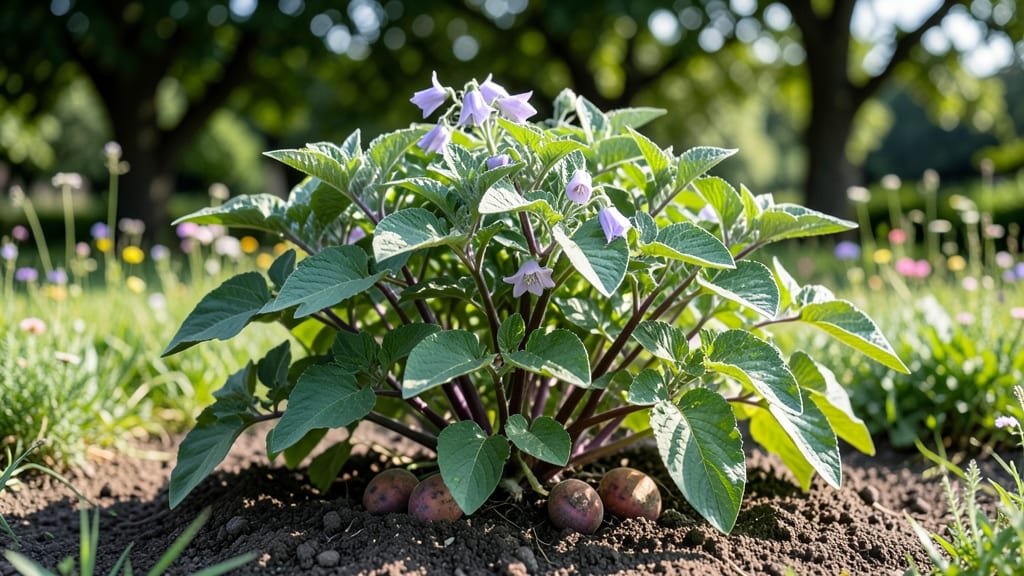
Growing a blue potato bush tree means year-round color with almost no effort. 🌿 This striking shrub—with its velvety blue berries and glossy foliage—thrives in heat and drought, making it the perfect low-maintenance star for any garden or container.
The key to keeping it lush and productive? Pruning at the right times to encourage dense growth and vibrant blooms.
Start with well-draining soil and full sun—this plant loves heat and won’t fuss over water once established. Plant in spring or early fall, spacing them 3-5 feet apart if growing in the ground, or use 5-gallon containers for patios.
Water deeply once a week, letting the soil dry slightly between waterings to prevent root rot. The berries stay on the branches for months, offering color from summer through winter.
Pruning isn’t just about shaping—it’s how you keep this plant blooming nonstop. Cut back leggy stems in early spring to encourage bushier growth, and trim lightly after flowering to promote another round of berries.
A little maintenance here means months of effortless color, even in the dead of winter. The berries are non-toxic (though not edible), so they’re safe for pets and kids too.
This plant handles neglect like a champ, but a few tweaks make all the difference. If grown in containers, swap out the top inch of soil with fresh mix every spring. In colder zones, protect it with a thick mulch or move pots indoors before frost.
With its drought tolerance and year-round interest, the blue potato bush tree is the ultimate zero-fuss garden hero.
📚 In This Guide
- What you need
- Instructions
- Tips and common mistakes
- Wrapping up and next steps
What you need
- ● Blue Potato Bush Tree (Solanum rantonnetii) – Purchase a healthy, well-established plant (3–5 feet tall) from a nursery or online retailer. Pro tip: 💡 Look for plants with dense foliage and vibrant blue-purple blooms!
- ● Well-draining potting mix – A blend of 50% peat moss or coconut coir, 30% perlite or pumice, and 20% compost (for container growing). For in-ground planting, amend native soil with compost and coarse sand.
- ○ Container (optional but recommended) – A 15–20 gallon pot with drainage holes if growing in containers. Choose a pot with a minimum 12-inch diameter for stability.
- ● Pruning shears – Bypass pruners (sharp, clean, and disinfected with rubbing alcohol) for precision cuts.
- ● Gloves – Garden gloves (nitrile or leather) to protect against mild skin irritation from sap.
- ● Watering can or hose with a gentle spray nozzle – Avoid overwatering; the soil should dry slightly between waterings.
- ● Fertilizer – A balanced, slow-release fertilizer (10-10-10 or 20-20-20) applied every 6–8 weeks during the growing season (spring–fall).
- ○ Mulch (optional) – 2–3 inches of organic mulch (pine bark or shredded leaves) to retain moisture and regulate soil temperature.
- ● Sunlight assessment – A spot with full sun (6+ hours/day) or partial shade (4–6 hours) in hot climates. Use a light meter or sun calculator app to confirm.
- ● Seasonal pruning schedule – Mark your calendar for spring (light shaping), summer (maintenance), and late fall/winter (major pruning).
- ● Plant support – A small trellis or stake if your bush grows tall and leggy (though it’s not typically needed).
- ● Growth regulator – Paclobutrazol (B-9) (follow label instructions) to promote bushier growth if your plant becomes too leggy.
- ○ Pruning sealant – Pruning wax to prevent sap oozing from large cuts (optional but reduces risk of disease).
- ● Camera or journal – To track growth and pruning progress over the seasons!
Step-by-Step instructions for cultivating a blue potato bush tree
This vibrant shrub thrives with the right care—here’s how to coax year-round color from your plant.
🪴 Step 1: Choose the Right Location and Soil
Select a spot with full sun (6+ hours daily)—this tree loves warmth and light. If your climate runs cooler, a south-facing window or grow light will keep it happy. The soil should drain well but retain moisture; amending with 1 part sand to 3 parts garden soil works wonders if your native dirt is heavy.
Dig a hole twice as wide as the root ball but only as deep. Loosen the edges of the hole with a shovel to encourage root spread. I always water the plant deeply before transplanting—this helps reduce shock and keeps the roots hydrated during the move.
☀️ Step 2: Plant and Establish Initial Growth
Place the tree in the hole, ensuring the top of the root ball sits 1 inch below soil level. This prevents water pooling around the stem. Backfill with native soil, pressing gently to remove air pockets but not compacting too firmly. Water thoroughly until the soil settles.
Mulch around the base with 2-3 inches of organic mulch (like wood chips) to retain moisture and regulate soil temperature. Keep mulch 3 inches away from the trunk to avoid rot. The first year is all about establishment—water 1-2 times weekly during dry spells, ensuring the top 6 inches of soil stay moist.
✂️ Step 3: Prune for Shape and Color Year-Round
Prune in late winter or early spring to shape the tree and encourage dense growth. Use clean, sharp pruners to cut back 1/3 of the oldest stems to the ground. This stimulates fresh, vibrant growth and prevents the center from becoming bare. I always prune just above a leaf node or bud to encourage branching.
For year-round color, lightly trim back faded blooms in late summer. This encourages a second flush of flowers before fall. Avoid heavy pruning after mid-summer—it can stunt new growth and delay fall blooms. Watch for new shoots emerging from the base; these are your plant’s way of saying it’s ready for more color.
💧 Step 4: Maintain Through Seasons
Water deeply once weekly in summer, letting the top 2-3 inches of soil dry out between waterings. Overwatering leads to root rot, so always check soil moisture before watering. In winter, reduce watering to every 2-3 weeks unless your climate is unusually dry.
Fertilize lightly in early spring with a balanced 10-10-10 fertilizer to support new growth. Too much fertilizer can burn roots, so follow package instructions closely. I also add a handful of compost around the base in spring to boost soil health naturally.
🌿 Step 5: Monitor and Adjust for Peak Performance
Keep an eye out for pests like aphids or spider mites—these love the tender new growth. Spray with a mild insecticidal soap if you spot them early. Yellowing leaves often signal overwatering or poor drainage; adjust your watering schedule and check the soil mix if this happens.
If your tree starts looking leggy or sparse, it’s time to prune again. The goal is to maintain a full, rounded shape with plenty of blooms. With the right care, your blue potato bush tree will reward you with vibrant color from spring through fall—and even a touch of winter interest if you leave some seed pods for texture.
Tips & tricks for cultivating a vibrant blue potato bush tree
Real talk: The difference between a thriving blue potato bush tree and one that just barely survives often comes down to these small but critical details.
Soil Prep Secret: Before planting, mix your amended soil with a handful of perlite or vermiculite—this improves drainage without sacrificing moisture retention. I've seen plants struggle in heavy clay soil, but adding this extra ingredient makes all the difference. The goal is soil that feels like a damp sponge, not a mud puddle.
Pruning Precision: When you're cutting back those oldest stems in Step 3, focus on making clean cuts at a 45-degree angle just above a leaf node. This encourages new growth from that exact spot. I learned this the hard way after making jagged cuts that led to slow healing and potential disease entry points.
Watering Wisdom: The "top 6 inches of soil" rule in Step 2 is your guide, but here's what nobody tells you—use a moisture meter or your finger to check. Stick your finger in the soil; if the first inch feels dry, it's time to water. This prevents both overwatering and underwatering, both of which stress the plant.
Seasonal Adjustments: In Step 4, when you reduce winter watering to every 2-3 weeks, consider covering the base with a thick layer of mulch (4-6 inches) for extra insulation. This mimics the plant's natural winter dormancy period and prevents soil temperature fluctuations that can shock the roots.
Pro Tips for Blue Potato Bush Tree
- Real talk: The difference between a thriving blue potato bush tree and one that just barely survives often comes down...
- Soil Prep Secret: Before planting, mix your amended soil with a handful of perlite or vermiculite—this improves drain...
- Pruning Precision: When you're cutting back those oldest stems in Step 3, focus on making clean cuts at a 45-degree a...
Frequently asked questions
Got questions about growing and maintaining your blue potato bush tree? You’re not alone! Here are some of the most common queries—plus straightforward answers to keep your plant thriving year-round.
How often should I prune my blue potato bush tree?
Prune your blue potato bush tree 2-3 times a year for best results: once in early spring to shape it, again after flowering to encourage bushiness, and a light trim in late summer to prep for winter. Avoid heavy pruning in fall—this can stress the plant before dormancy. Pro tip: Use sterilized tools to prevent disease!
Can blue potato bush trees survive winter?
Yes! These hardy plants (USDA zones 6-10) tolerate light frost, but young plants or harsh winters may need mulch or frost cloth for protection. Prune back dead growth in early spring—new shoots will sprout quickly. Pro tip: Water deeply before the first freeze to help roots withstand cold.
Why isn’t my blue potato bush tree flowering?
Lack of flowers often stems from over-fertilizing (too much nitrogen) or poor sunlight. Ensure it gets 6+ hours of sun daily and use a balanced, low-nitrogen fertilizer in early spring. Prune back leggy growth to encourage denser foliage and blooms. Pro tip: Deadhead spent flowers to prompt more blooms!
What’s the best way to propagate a blue potato bush tree?
Use softwood cuttings in spring or early summer for the easiest propagation. Take 4-6 inch cuttings just below a leaf node, dip in rooting hormone, and plant in moist potting mix. Keep humid (use a plastic bag) until roots form (4-6 weeks). Pro tip: Water lightly but consistently—overwatering can rot cuttings!
Are there drought-tolerant alternatives to blue potato bush?
If you need low-maintenance, drought-resistant options, consider Texas ranger (Leucophyllum frutescens) or desert spoons (Dasylirion wheeleri). Both thrive in hot, dry climates with minimal water once established. Pro tip: Mulch heavily to retain moisture and reduce evaporation!
Wrapping up and next steps
Transforming your garden into a vibrant blue-hued paradise with the blue potato bush tree is totally within reach! With the right tools, timing, and pruning techniques, you’ll enjoy its stunning foliage and seasonal blooms year after year. 🌿✨
Ready to take the next step? Start small—plant one this season, experiment with pruning styles, and watch your garden thrive. Share your progress with fellow plant lovers, and soon, you’ll be the envy of the neighborhood with your blue potato bush tree masterpiece!