
Plants
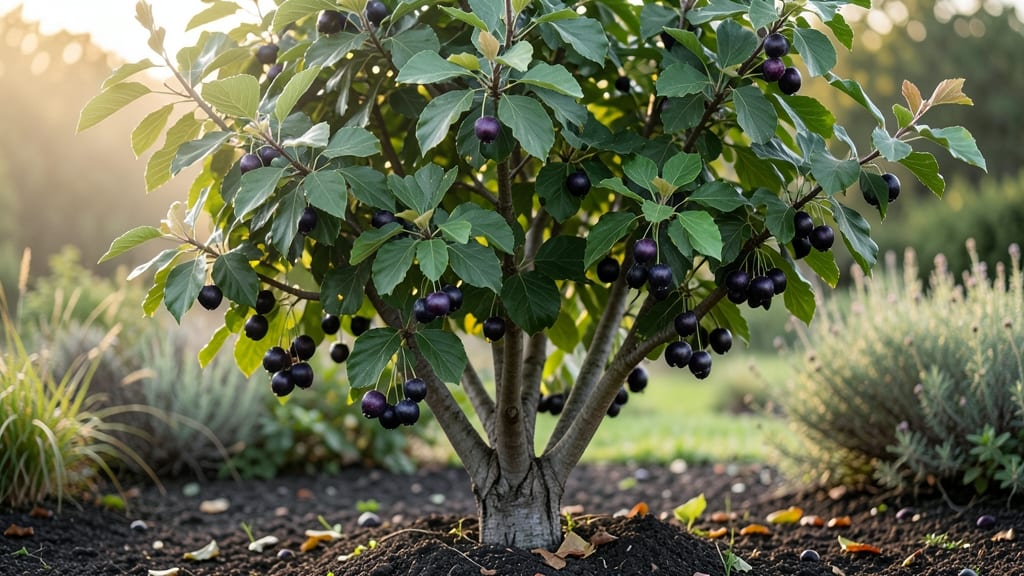
The Black Beauty mulberry bush delivers dark, juicy fruit that tastes like chocolate and wine—with almost no pruning needed. 🌿 I planted mine last spring, and now it’s a lush, low-maintenance shade tree that produces fruit from late spring through summer.
This isn’t your average mulberry—its deep purple berries are sweeter and richer than most varieties, and the glossy leaves add year-round ornamental value. The bush thrives in full sun to partial shade, tolerates a wide range of soils, and even handles drought once established.
You’ll get a harvest with minimal effort, and the birds will thank you too.
Perfect for edible landscapes, privacy screens, or even container growing in small spaces. The only real challenge? Keeping the fruit off the ground before wildlife (or your neighbors) gets to it. Here’s how to set yours up for success.
📚 In This Guide
- What you need
- Instructions
- Tips and common mistakes
- Wrapping up and next steps
What you need
- ● Black Beauty Mulberry Plant: 1 bare-root sapling (1-2 years old) or
- ● Seeds (if starting from scratch—germination can take 30+ days!)
- ● Planting Site: Full sun location (6+ hours of direct sunlight daily)
- ● Well-draining soil (amend with compost if needed)
- ● Space: 15-20 feet wide and 15 feet tall (mulberries grow big!)
- ● Tools: Shovel or trowel
- ● Garden gloves
- ● Pruning shears (sterilized)
- ● Mulch (2-3 inches of organic mulch, like wood chips or straw)
- ○ Fertilizer (Optional but Helpful): Balanced organic fertilizer (10-10-10 or compost tea)
- ● Drip irrigation system (to keep roots consistently moist)
- ● Bird netting (if local birds love your berries before you do!)
- ● Soil pH tester (ideal range: 6.0-7.0)
- ● Epsom salt (for magnesium boost, especially in clay soils)
Step-by-step instructions for planting and caring for a Black Beauty mulberry bush
Here's how to get your mulberry growing strong with minimal fuss—perfect for those who want berries without endless pruning.
🌱 Step 1: Choose the Perfect Planting Spot
Black Beauty mulberries thrive in full sun, so pick a location that gets at least 6-8 hours of direct sunlight daily. I always look for a spot with well-draining soil—mulberries hate soggy roots. If your soil is heavy clay, amend it with a 2-3 inch layer of compost before planting. The bush grows wide, so leave 15-20 feet of space between it and other plants or structures.
Watch for nearby trees or buildings that could shade it later. Mulberries grow fast, and you don’t want to deal with branches rubbing against a fence or roof in a few years. A south-facing area works best in most climates, but even west-facing spots can work if they get enough afternoon sun.
🪴 Step 2: Plant at the Right Time and Depth
Spring is the best time to plant, but you can also do it in early fall—just make sure the ground isn’t frozen. Dig a hole twice as wide as the root ball but only as deep as the root ball itself. Mulberries don’t like being buried too deep, which can suffocate the roots. Gently loosen the roots if they’re circling in the container before placing the bush in the hole.
Fill the hole with soil, pressing lightly to remove air pockets, but don’t compact it too much. Water deeply right after planting to settle the soil around the roots. You’ll know it’s done right when the soil surface looks slightly firm but not rock-hard. Mulch around the base with 2-3 inches of organic mulch to retain moisture and keep weeds down.
☀️ Step 3: Water Deeply and Consistently
Mulberries are drought-tolerant once established, but young bushes need 1-2 inches of water per week for the first year. Water deeply, soaking the soil down to 12 inches deep—this encourages strong root growth. I water in the morning so the leaves dry quickly, which helps prevent fungal diseases. Avoid overhead watering if possible; instead, use a soaker hose or drip irrigation to keep the roots happy without wetting the foliage.
After the first year, you can cut back on watering unless you’re in an extreme drought. Mature mulberries can handle dry spells, but they’ll produce fewer berries if stressed. Watch for wilting leaves—if they’re crispy to the touch, it’s a sign the bush needs a good drink.
✂️ Step 4: Prune for Shape and Health
Here’s the good news: Black Beauty mulberries need very little pruning. I only prune in late winter or early spring to remove dead, diseased, or crossing branches. Use clean, sharp pruners to make cuts just outside the branch collar—the bump where the branch meets the trunk. This prevents damage and encourages faster healing. Thin out crowded branches to improve airflow, which reduces the risk of fungal issues.
If your bush gets too large, you can prune to control its size, but avoid heavy pruning—mulberries fruit on both old and new wood. A light trim keeps it manageable without sacrificing berries. Real talk: If you skip pruning entirely, the bush will still produce fruit, just maybe a little messier.
🍇 Step 5: Harvest and Enjoy Year-Round Berries
Black Beauty mulberries ripen in stages, so you’ll get a harvest from early summer through fall—and sometimes even into winter in warm climates. Berries start green, turn purple, and finally darken to a deep black when ripe. Gently twist or pluck them from the branch—they’re ready when they come off easily. Wear gloves if you’re sensitive to stains, as the juice can be messy.
Harvest frequently to encourage more production. If you miss a batch, the berries will drop to the ground, but don’t waste them—you can still use them for jams, pies, or fresh eating. Birds love them too, so be prepared to share if you’re not quick enough!
Tips & tricks for perfect Black Beauty mulberry bush growth
These simple strategies will help you grow a thriving mulberry bush with minimal effort.
Sunlight Strategy: While 6-8 hours of direct sunlight is ideal, don't panic if your spot gets slightly less. Mulberries are surprisingly adaptable—if you're in a location with only 5-6 hours of sun, position the bush to maximize morning sunlight (which is most intense) and supplement with a few hours of afternoon sun. I planted mine under a large oak that provided dappled shade in the afternoon, and it still produces beautifully.
Soil Prep Tip: When amending heavy clay soil with compost, mix in a handful of coarse sand or perlite along with the 2-3 inch layer of compost. This improves drainage without changing the soil's structure too dramatically. Think of it as creating little air pockets for those roots to breathe—mulberries reward good drainage with better fruit production. The key is to work it in thoroughly so it's evenly distributed throughout the planting hole.
Watering Wisdom: That 1-2 inches of water per week for the first year is a guideline, not a strict rule. On particularly hot days (above 90°F), increase to 2-3 inches to prevent stress. I test soil moisture by sticking my finger about 2 inches down—if it's dry, it's time to water. Morning watering is ideal, but if you must water in the evening, do it at least 3 hours before sunset to prevent fungal issues. A soaker hose is your best friend here.
Pruning Shortcut: If you're truly overwhelmed by pruning, focus on just three things: removing dead wood, thinning out crossing branches, and cutting back any branches that rub against structures. I've left some pruning seasons completely and still gotten fruit—though a little maintenance makes a big difference in how neat and productive your bush stays. Remember, mulberries fruit on both old and new wood, so don't over-prune!
Pro Tips for Black Beauty Mulberry Bush
- These simple strategies will help you grow a thriving mulberry bush with minimal effort.
- Sunlight Strategy: While 6-8 hours of direct sunlight is ideal, don't panic if your spot gets slightly less. Mulberri...
- Soil Prep Tip: When amending heavy clay soil with compost, mix in a handful of coarse sand or perlite along with the ...
Frequently asked questions
Got questions about growing your Black Beauty mulberry bush? You’re not alone!
Here are some of the most common queries—and their straightforward answers—to help you cultivate a thriving, low-maintenance harvest.
How long does it take for a Black Beauty mulberry bush to bear fruit?
A Black Beauty mulberry bush typically starts producing fruit 2–3 years after planting, though some younger trees may yield small clusters in their first year if given ideal care. Patience pays off—once established, it becomes a year-round producer in warm climates!
Can Black Beauty mulberries survive winter frost?
Yes! This variety is hardy to USDA Zones 5–9 and can handle light frost, but heavy freezes may damage buds or fruit. Mulch the base with straw or leaves in winter to insulate roots. Pro tip: Prune lightly in late winter to encourage new growth and protect against late frosts.
Why aren’t my mulberries ripening evenly?
Uneven ripening often stems from inconsistent sunlight or watering. Mulberries thrive in full sun (6+ hours/day) and need deep, regular watering (1–2 inches per week). If some fruit stays green, it may need more sun or a balanced fertilizer (like 10-10-10) in early spring.
Do I need to hand-pollinate Black Beauty mulberries?
Nope! This variety is self-pollinating, so bees (or even wind) will do the work for you. However, if you notice no fruit after flowering, check for pests (like spider mites) or poor pollinator activity in your area.
What’s the best alternative if I can’t grow mulberries?
If space or climate is a concern, try these low-maintenance alternatives:
All three offer year-round interest and minimal pruning—just like mulberries!
Wrapping up and next steps
Growing a Black Beauty mulberry bush is a rewarding journey that yields delicious fruit with minimal fuss—perfect for both beginners and seasoned gardeners! 🌱 With its hardy nature, fast growth, and year-round potential for harvests, this bush is a standout addition to any landscape.
Whether you’re drawn to its lush foliage, sweet berries, or low-maintenance charm, you’re now equipped with the knowledge to nurture one successfully.
Ready to take the next step? Plant your Black Beauty mulberry bush this season and enjoy the fruits of your labor—literally! Share your progress with fellow gardening enthusiasts or experiment with mulberry recipes to savor your homegrown bounty. Happy growing! 🍇✨